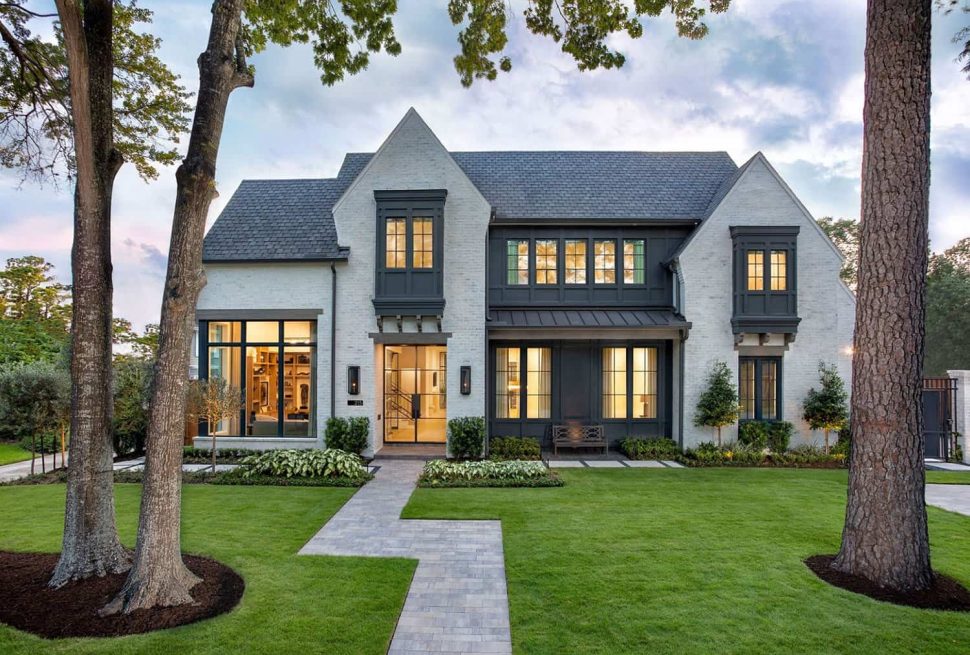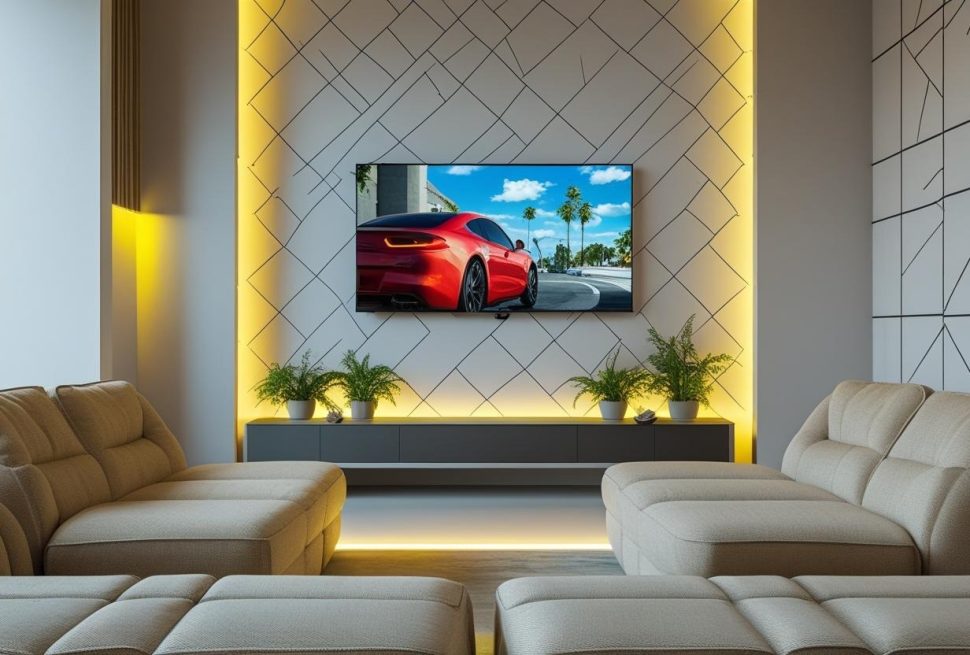
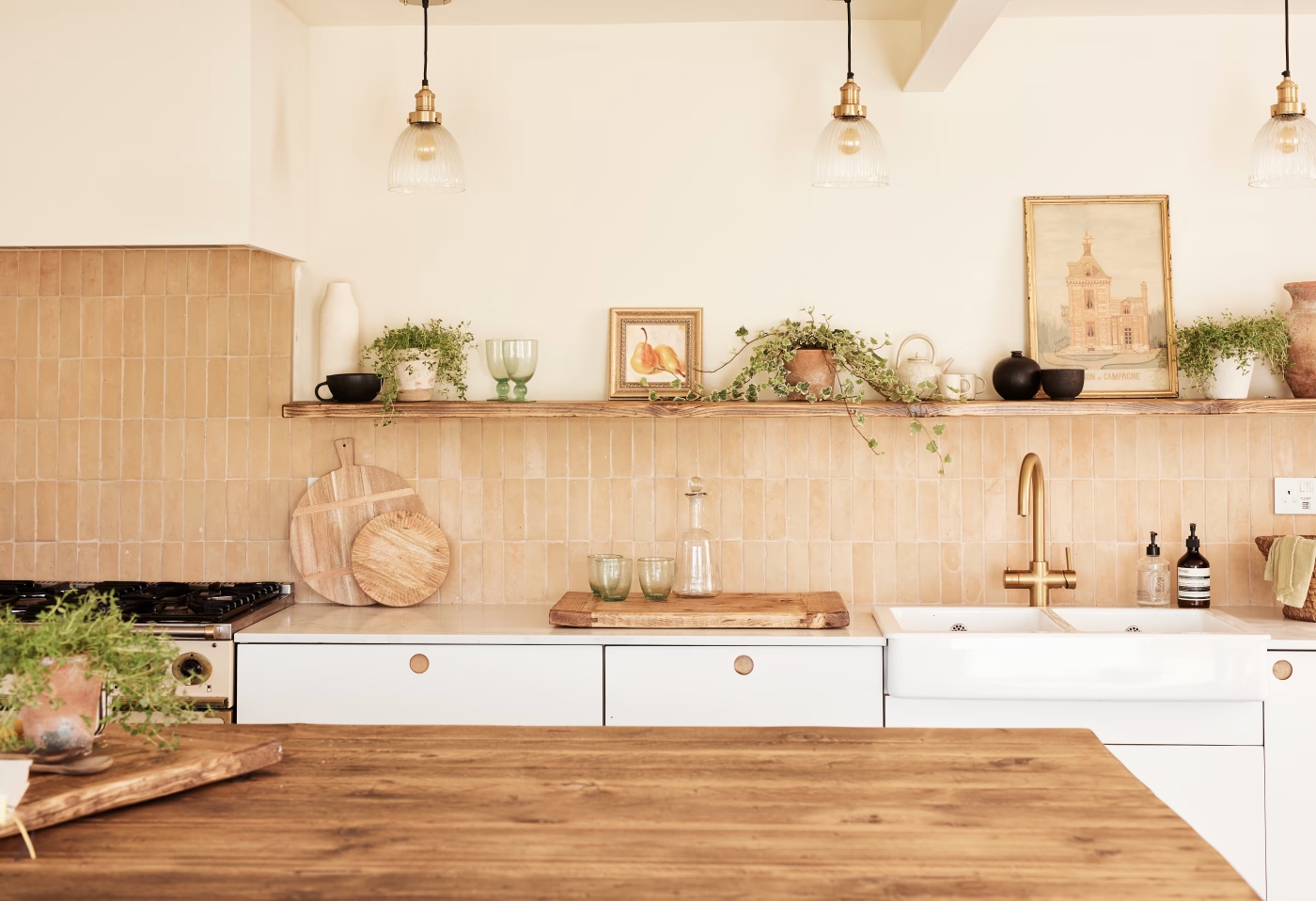
Bold rooms are easy. Elegant rooms are harder. Anyone can buy a velvet chair, hang a shiny pendant, and call it style, but the homes that actually feel refined work on a quieter level. They calm you before you even know why. That is the real trick behind Style Interior Spaces well: you are not stacking pretty things, you are shaping mood, rhythm, and trust inside a room.
I learned this the expensive way, after years of watching people crowd beautiful homes with too many ideas and too little restraint. A space does not become graceful because every corner begs for attention. It becomes graceful when each choice earns its place. The sofa sits where conversation happens naturally. The light falls where your shoulders finally drop. The textures carry warmth without turning the room into a showroom stunt. Good styling feels edited, not starved.
If you want your home to feel polished without becoming stiff, you need more than trend talk. You need judgement. You need to know what to leave out, what to repeat, and where to let a room breathe. Elegance is not old-fashioned. It is disciplined comfort, and it still wins.
Start with structure before you chase beauty
A refined room begins long before the pillows, the candles, or the art arrive. It starts with the room’s bones and how you move through them. Most styling problems do not come from bad taste. They come from bad setup. When the layout fights the room, nothing you layer on top will look settled, and you feel that friction every single day.
Build a layout that respects movement
Strong styling starts with where your body goes, not where the furniture looks good in a photo. A living room should invite people in, not force them to sidestep tables like they are in a waiting area. When I walk into a home and see a sofa shoved against a wall for no reason, I already know the room was arranged by habit, not by thought.
You should map natural paths first. Leave generous clearance where people turn, pause, and reach for things. A coffee table that looks perfect but clips every shin is not elegant. It is annoying in a nicer outfit. The best rooms let you move without thinking about movement at all.
This matters in small spaces even more. A narrow apartment lounge can feel grander than a giant suburban den if the chairs face each other properly and the walking line stays clear. Ease reads as luxury. Cluttered circulation reads as stress.
Let one focal point lead the room
Rooms get messy fast when five elements compete for first place. Pick a leader. Maybe it is a fireplace, a bank of windows, a sculptural light, or one deeply handsome dining table. Once that anchor is clear, the rest of the room can support it instead of shouting over it.
I have seen people buy a bold wallpaper, a dramatic rug, oversized art, and a flashy chandelier for the same room. That is not confidence. That is panic shopping. Elegance comes from hierarchy. Your eye should land somewhere first, then travel with pleasure, not confusion.
A good focal point also gives you permission to simplify. When one piece carries the drama, the surrounding choices can become calmer, sharper, and more intentional. That balance is where rooms stop looking decorated and start looking composed.
Use proportion to make the room feel expensive
Proportion is the difference between a room that feels settled and one that feels slightly off in every photo. You can spend a fortune and still end up with a room that feels awkward if the rug is too small, the lamp is too short, or the art floats like an afterthought above the sofa.
Scale should relate across the room, not just object by object. A low modern sofa can handle broader art and chunkier side tables because it needs visual weight around it. A delicate vintage console asks for more breathing space and lighter company. This is not guesswork. Your eyes know when a room feels balanced, even if you cannot name the math.
Hotel lobbies understand this better than many homes do. They use oversized rugs, confident lighting, and furniture that belongs to the architecture instead of apologizing to it. You should borrow that thinking. Go a touch bigger than feels safe, then edit elsewhere.
Choose materials that age with grace
Once the room works structurally, materials decide whether it feels elegant or temporary. This is where many homes lose the plot. People chase surface glamour and forget that true style has stamina. If every finish feels trendy, the room dates itself before the paint dries.
Mix textures so the room feels alive
Elegant spaces never rely on one note. A room made entirely of smooth finishes feels cold, while a room stuffed with soft textures can feel sleepy and overdone. What you want is contrast that feels natural under both the eye and the hand.
Think linen against walnut, plaster near brass, wool over oak, glass beside a matte ceramic lamp. Those pairings create depth without noise. I once helped restyle a beige sitting room that looked flat as cardboard even though everything in it was expensive. We changed almost nothing except the texture story. Bouclé became washed linen. Shiny side tables became timber. A slick vase gave way to rough clay. Suddenly the room had pulse.
This is where interior spaces with elegance are made, not merely furnished. Texture keeps a room honest. It stops beauty from feeling sterile and makes even simple palettes feel rich.
Pick finishes you will still respect in five years
There is a reason certain materials keep coming back: they wear well, and they do not beg for applause. Solid wood, natural stone, unlacquered brass, cotton, wool, leather, and limewash all gain character instead of looking tired the moment a trend shifts. You do not need all of them. You need a few that speak the same language.
Cheap shine is often the first thing that makes a room feel flimsy. High-gloss veneers, faux marble with loud patterning, and chrome used without restraint can turn a promising room into a set piece. The problem is not that they are modern. The problem is that they often scream for attention while offering no depth.
If you are choosing between two versions of the same item, buy the one that will look better slightly worn. That question alone filters out a lot of bad decisions. Elegant homes are not frozen. They live well.
Keep color restrained, not lifeless
Many people hear elegance and think they must drain a room of personality. Wrong. A pale room can feel dead just as easily as a bright one can feel chaotic. The goal is not blandness. The goal is control.
Start with a calm base, then let color appear with purpose. Deep olive on a reading chair. Rust in a woven cushion. Ink blue on the inside of a bookcase. Aubergine in a lampshade lining. Those choices feel intimate because they are not screaming from every surface. They reward attention instead of demanding it.
The smartest rooms often hold back the strongest color until the last third of the design process. That pause matters. It keeps you from building the whole room around a passing obsession. Color should sharpen the room’s character, not hijack it. That is how interior spaces with elegance stay memorable rather than exhausting.
Style Interior Spaces through lighting and atmosphere
You can ruin a beautifully planned room with one bad ceiling light. Harsh lighting exposes every mistake, flattens every texture, and makes even lovely furniture look defensive. If layout gives a room order and materials give it substance, lighting gives it soul. This is the point where the room finally starts to feel like a place you want to stay.
Layer lighting instead of relying on one source
A single overhead fitting almost never does the whole job well. It can brighten a room, sure, but it cannot shape atmosphere by itself. Elegant interiors use layers: ambient light for general comfort, task light where you read or work, and accent light where you want mood, shadow, or focus.
A living room should not be lit like a supermarket at 8 p.m. You want pools of light, not one giant wash. A table lamp beside a sofa changes conversation. A shaded floor lamp near a chair makes a corner feel claimed. Wall lights at eye level soften a dining area in a way ceiling spots never can.
Restaurants understand this instinctively. The places you remember rarely blast you with brightness. They let light collect where it matters and fall away where it does not. Your home deserves the same intelligence.
Use shadow as part of the design
People talk about brightness as if more is always better. It is not. A room with no shadow feels exposed, and exposed rooms rarely feel elegant. Shadow creates shape. It also creates privacy, even in open-plan spaces.
You should allow certain corners to stay quieter. Let the bookshelf fall into a gentler light. Let the hallway arrive with a little mystery. Keep the dining pendant low enough to hold the table visually. Those choices make the room feel intentional, not just illuminated.
I once saw a renovated townhouse with fine plaster walls, custom joinery, and beautiful art, all flattened by rows of aggressive downlights. It looked moneyed, yes. It did not look gracious. The owner spent heavily on finishes and almost nothing on atmosphere. That happens more often than people admit.
Make scent, sound, and softness part of styling
Real elegance does not stop at what you see. It reaches your senses before you sit down. The room sounds softer because a rug catches the echo. It smells clean, woody, or faintly floral instead of synthetic. The upholstery feels inviting without swallowing you whole.
This is why the most polished homes think beyond furniture. Curtains that actually brush the floor change acoustics. Upholstered dining chairs make dinner linger longer. A quiet room fragrance, used with restraint, turns memory into part of the design. Even a bowl of citrus on the kitchen counter can sharpen the room’s atmosphere without becoming a gimmick.
If you care about gracious living, pay attention to what the room asks of the body. Styling is not decoration pasted on top. It is environment. A room should hold you a little more gently than the outside world does. That is elegance in plain clothes.
Edit with discipline so the room stays elegant
Here is the part nobody wants to hear: most rooms do not need more. They need less, chosen better. Editing is where mature style separates itself from enthusiastic clutter. You can buy all the right categories and still miss the feeling entirely if the room never gets refined.
Curate objects instead of scattering them everywhere
A shelf full of random pretty things is still random. Elegant styling depends on selection, spacing, and meaning. You do not need ten decorative objects on a console. You need three or four that look like they belong to the same life.
Group objects by conversation, not just by size. A stone bowl, a travel book, and a small framed sketch tell a clearer story than a dozen unrelated candles and trinkets. Leave negative space between them. Empty surface is not wasted surface. It is what makes the chosen pieces matter.
This is also where a good brand storytelling and media platform mindset helps, because the strongest rooms, like the strongest brands, know what they are saying and what they are refusing to say. Every object adds to the message or muddies it. Be ruthless.
Bring in art that feels personal, not generic
Nothing kills elegance faster than art that looks chosen to fill a blank wall. A room should feel collected, even if you bought everything last month. That feeling comes from choosing pieces with tension, memory, and point of view.
You do not need famous names or intimidating price tags. You need art with conviction. A charcoal portrait from a local maker. A black-and-white photograph from a place you love. A large abstract canvas with one color that quietly ties the whole room together. Those choices give the room depth because they reveal your judgement.
Generic prints can work in a pinch, but they rarely make a room sing. The best art slightly sharpens the room. It adds a thought, not just a color. When people remember your home later, it is often the art they remember first.
Keep elegance alive by adjusting with the seasons
A stylish home should not feel trapped in one frozen version of itself. The smartest rooms shift without drama. They become a little lighter in warm months, a little deeper in cold ones, and they do it without forcing a full redesign every season.
Swap heavy throws for washed cotton in summer. Change a dark floral arrangement for branches or leaves with more air around them. Trade one or two cushion covers, rotate ceramics, move a side chair nearer the window when the light changes. Small edits keep the room alert.
This is the part most people skip, and then they wonder why their home starts to feel stale. Elegance is not a one-time victory. It is a habit of attention. Homes that stay beautiful are the ones somebody keeps noticing, adjusting, and loving on purpose.
Conclusion
Elegant rooms do not happen because you spent more, copied a showroom, or bought whatever social media pushed at you last week. They happen because you noticed how a room feels, then made a hundred careful decisions that support that feeling. That is why Style Interior Spaces with lasting grace has more to do with restraint, texture, atmosphere, and editing than with any single trend.
If you take one idea from this, let it be this: your home does not need to impress strangers for six seconds. It needs to support your life for years. Choose layouts that let you move easily. Choose materials that get better with time. Light the room like you want people to stay, then remove anything that muddies the story. That is where elegance stops being performative and starts being personal.
Homes with real charm are rarely the loudest ones. They are the ones that feel settled, clear, and deeply human. Start with one room this week. Rearrange it, strip it back, and rebuild it with intention. Then keep going. Your house might look better, yes, but more than that, it will finally feel like you meant it.
FAQ: What is the first step when styling interior spaces with elegance?
Start by fixing the layout before buying anything decorative. When the room flows well, every later choice looks smarter. Measure pathways, place key furniture with purpose, and identify one focal point. Elegance grows from order first, then detail, then restraint.
FAQ: How do I make a small room look elegant instead of crowded?
Use fewer pieces, but choose them with confidence. A larger rug, better lighting, and clear walking space beat lots of tiny accents every time. Keep surfaces edited, repeat two or three materials, and let one striking element carry visual interest beautifully.
FAQ: Which colors work best for elegant interior styling at home?
Calm base colors usually win because they give the room breathing room. Warm whites, soft taupes, muted greens, deep blues, and earthy reds feel grown-up when paired carefully. Add stronger shades sparingly, so the room feels layered rather than loud or nervous.
FAQ: Can you style interior spaces elegantly on a modest budget?
Yes, but you must spend with discipline. Put money into lighting, textiles, paint, and one or two anchor pieces first. Skip trendy clutter, thrift for character, and edit hard. A thoughtful room always looks richer than a room packed carelessly full.
FAQ: What common mistakes make a room look less elegant?
The biggest mistakes are poor scale, harsh lighting, tiny rugs, and too many decorative objects. Matching everything too closely also flattens the room. Elegant homes feel collected, balanced, and relaxed, not overcoordinated, overlit, or desperate to prove anything at all.
FAQ: How often should I update an elegantly styled room?
You do not need constant redesign. Most elegant rooms improve through light seasonal edits and occasional deeper reviews. Rotate textiles, refresh flowers or branches, and remove visual clutter often. Then reassess furniture, lighting, and art when the room starts feeling stale.
FAQ: Does elegant interior design mean traditional furniture only?
Not even close. Elegance is a matter of balance, proportion, and finish, not a fixed historical style. Modern furniture can feel deeply refined when lines are clean, materials are strong, and the room avoids visual chaos. Taste matters more than labels.
FAQ: How do I choose decor that still feels personal and elegant?
Choose objects that hold memory, craft, or visual weight instead of filling shelves just to avoid emptiness. Art, books, ceramics, and collected pieces work best when they relate somehow. Personal style feels elegant when it is edited, intentional, and never trying too hard.