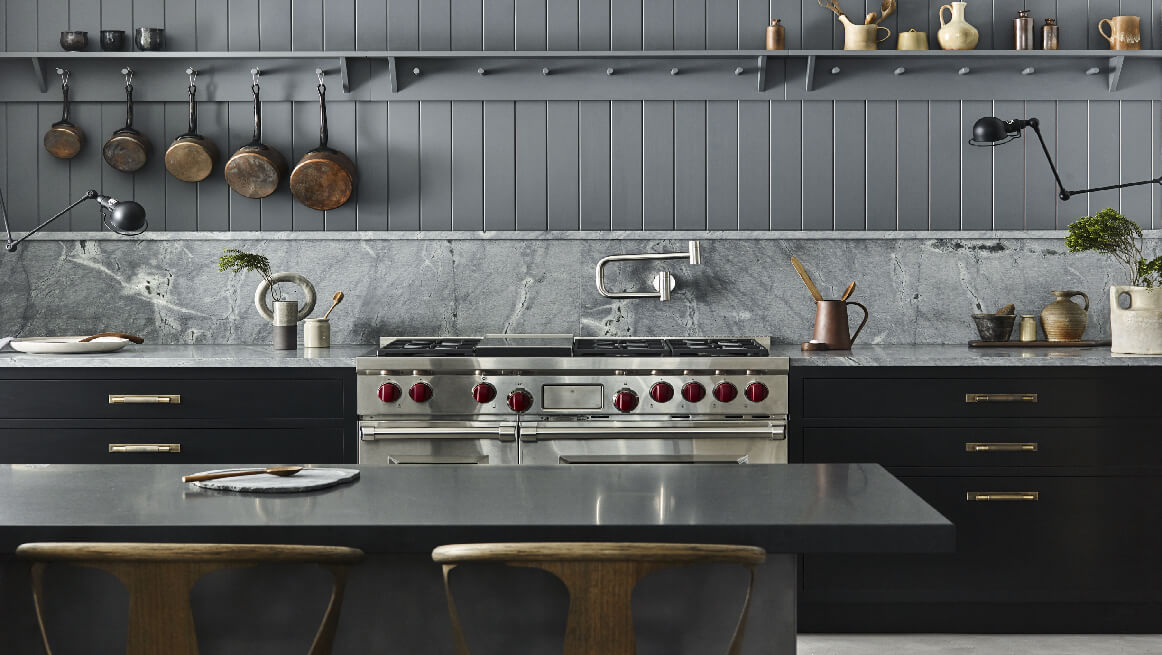
Bold truth: most rooms do not look unfinished because they lack money. They look unfinished because they lack judgment. You can buy a costly sofa, a glossy lamp, and a rug thick enough to nap on, then still end up with a room that feels oddly flat. I have seen it happen in tiny apartments, family homes, and polished new builds that somehow still carried the charm of an airport lounge. The fix is rarely more stuff. It is better editing, stronger contrast, and a clearer sense of how you want a room to feel when real life enters it.
When you style interior spaces, you are not decorating in the shallow sense of adding pretty things until the room stops echoing. You are shaping mood, movement, comfort, and memory. That is what elegance really is. It is not fragile, fussy, or reserved for mansions with impossible ceilings. It is a lived quality. A room can hold muddy shoes, school bags, coffee cups, and still feel composed. That balance matters. If you want your home to feel refined without turning stiff, you need choices that look calm, work hard, and age well under daily use.
Start with Restraint Before You Add Personality
Elegant rooms do not begin with shopping. They begin with subtraction. That part annoys people because buying is fun and editing is humbling, yet the second step is where the magic lives. A room crowded with decent pieces will still lose to a room built from fewer, sharper decisions. You need visual breathing room before beauty can land.
Clear the Visual Noise First
Clutter does more than fill shelves. It steals authority from every good choice in the room. A sculptural table lamp looks ordinary when it is trapped beside six random objects, three tangled cables, and a bowl that never had a reason to be there. Elegant styling starts when you remove what muddies the line of sight and weakens the room’s message.
The smartest homes I know have one thing in common: they refuse to display everything at once. Books get grouped instead of scattered. Trays collect loose items before chaos spreads. Kitchen counters hold what is used daily and nothing else. That is not cold. That is respect for space. You are telling the room to breathe before asking it to impress.
A London renter I once visited had a narrow living area with almost no architectural charm. She did one thing brilliantly. She edited half her surfaces, kept only a ceramic bowl, two art books, and a low lamp on display, and suddenly the room looked twice as expensive. Not because the objects were rare. Because they had room to matter.
Build a Quiet Base That Can Carry Detail
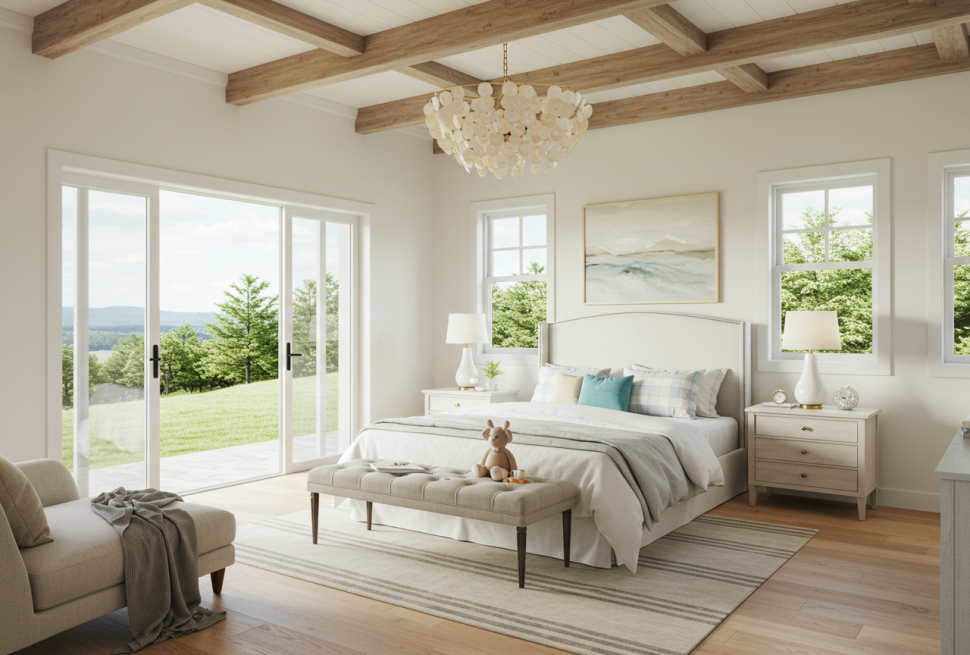
A calm foundation gives you freedom later. Walls, flooring, large upholstery, and curtains should not all compete for attention at once. You want a base that feels steady enough to hold richer layers without wobbling. This is where many people confuse elegance with blandness and end up draining all life from a room. Do not do that.
A quiet base works because it reduces visual argument. Soft stone tones, warm whites, weathered woods, charcoal, ink, sand, and muted olive can all perform beautifully when the undertones speak to one another. You do not need everything to match. You need everything to stop fighting. That is a different skill, and a better one.
This is also where proportion steps in like the adult in the room. Oversized sectionals in small spaces, tiny rugs floating under furniture, or curtains hung too low will wreck the mood before accessories even enter the chat. To style interior spaces well, your large pieces must set the rhythm first. Then the details can sing instead of shout.
Let Texture Do More Work Than Color
Once the room feels edited, the next job is depth. Color gets too much credit for that. Texture often does the heavy lifting with better manners. If a room looks flat, it usually does not need louder tones. It needs surfaces that catch light differently, fabrics that invite touch, and materials with a little honesty in them.
Mix Materials That Age with Grace
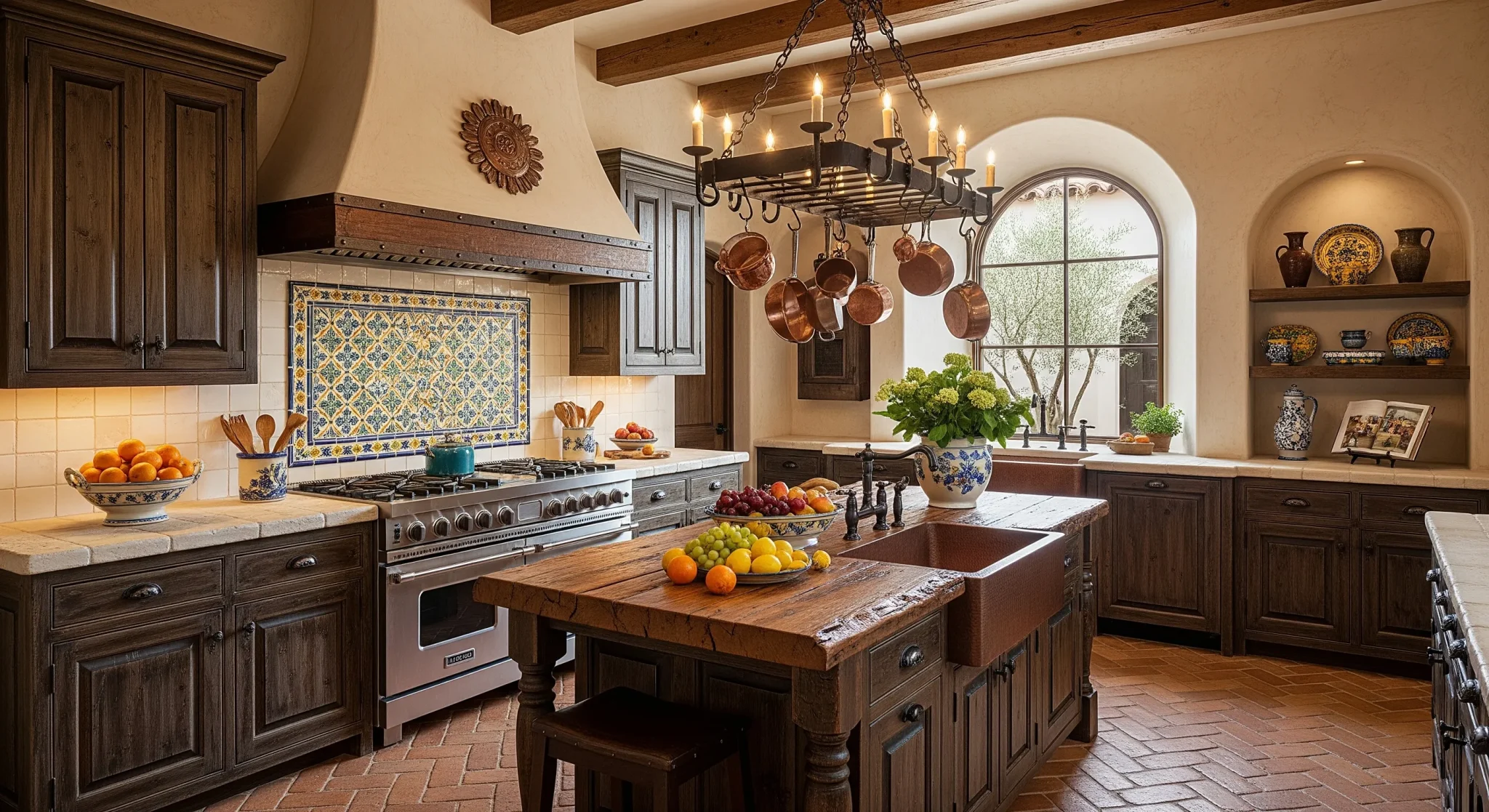
Elegant rooms rarely rely on one finish repeated to death. That is how you end up with homes that feel like furniture showrooms instead of places people actually live. A room wakes up when smooth linen sits beside worn timber, polished metal sits near matte plaster, or glazed ceramic breaks up softer textiles. The contrast creates quiet tension.
The best combinations feel collected rather than staged. Think of a walnut dining table with a rush seat chair, a stone bowl, and a washed cotton runner. None of those elements needs to be loud. Their value comes from how differently they register in the eye and hand. The room feels layered before you even notice why.
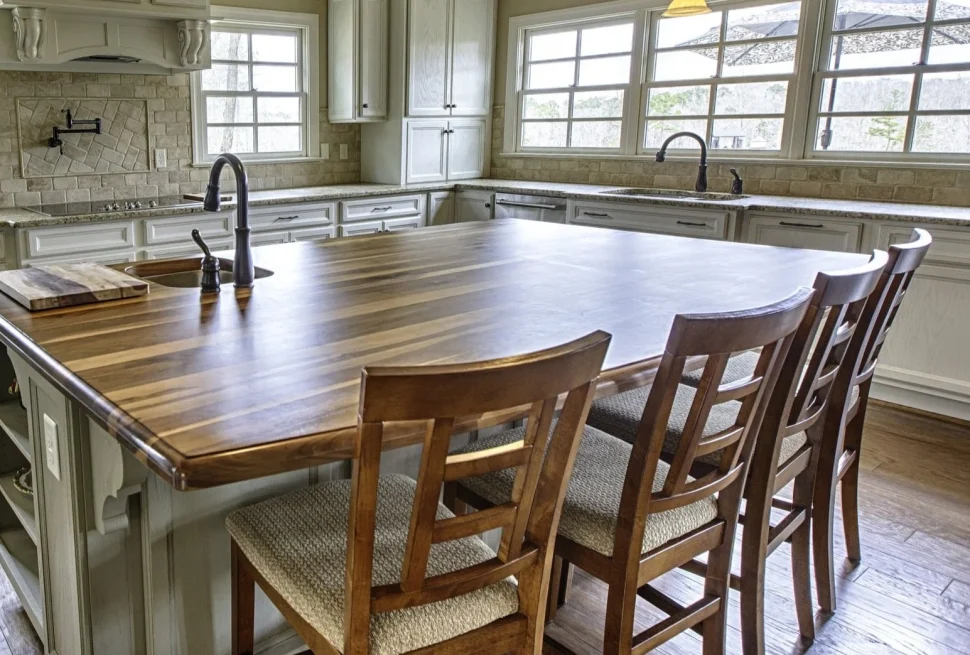
This matters in kitchens too, where sleek finishes can turn sterile fast. If your cabinets are clean lined and your counters read cool, bring in open-grain wood stools, a hand-thrown fruit bowl, or a Roman shade with visible weave. One grounded element can stop the whole room from feeling like it was assembled by an appliance catalog.
Use Color Like a Sharp Editor, Not a Confetti Cannon
Strong color can be elegant. Random color almost never is. The difference comes down to control. You need one dominant mood, one supporting tone, and then a small number of accents that appear with purpose. That is enough. The room should feel directed, not sprayed.
People often pick colors in isolation, then wonder why the room feels restless. A velvet chair may look glorious in a showroom, yet feel absurd next to your existing rug, art, and wood tones. The fix is not fear. It is context. Test color against what already lives in the room and under the actual light you have, not the fantasy light in your head.
A dark plum cushion repeated once in artwork and once in a vase reads intentional. Ten unrelated bright objects read like indecision wearing makeup. There is your line. When you want extra inspiration or examples of how thoughtful visual storytelling works in design-led publishing, browse a curated creative interiors platform and study how restraint gives every detail more force.
Shape the Room Around Real Life, Not Display Life
A beautiful room that works badly stops feeling beautiful very quickly. You notice it every time a chair blocks the walkway, a lamp throws useless light, or a side table is too far from the seat where you actually sit. Elegance without practicality is theater. Nice to look at. Annoying to live with.
Plan Movement Before Styling the Corners
Flow decides whether a room feels generous or cramped. You can have plenty of square footage and still make a space feel tense if the paths through it are awkward. The body knows this before the mind does. That is why some rooms feel easy the second you enter them, while others make you want to leave even when they are technically lovely.
Start with how you move through the room on an ordinary day. Where do you drop your keys, pour coffee, fold laundry, charge your phone, or lean when talking to someone in the kitchen? Those habits should shape furniture placement long before decorative pieces appear. Homes feel elegant when they support life without making a performance out of it.
This is especially true in open-plan homes, where people try to define zones by pushing furniture to the walls and leaving a dead sea of emptiness in the middle. Pull pieces inward. Let rugs anchor conversation. Use lighting to separate moods. A room needs circulation, yes, but it also needs a point of view. Empty is not elegant. It is unfinished.
Style Utility So It Feels Intentional
Real homes need storage, task lighting, charging stations, bins, baskets, and all the other unglamorous bits people pretend do not exist in magazine shoots. Hiding every practical element is exhausting and often impossible. The better move is to make utility look considered. That is where style grows up.
Choose containers that belong to the room instead of apologizing for themselves. A woven basket can hold throws. A ceramic jar can store wooden utensils. A slim rail in the kitchen can keep essentials accessible without turning the wall into visual spam. Little choices like these preserve order while keeping the room human.
One family kitchen I worked through had a classic problem: school letters, snack boxes, pet leads, and charging cables everywhere. We gave daily clutter a home in lidded bins inside one low cabinet, added a tray for mail, and hung a single brass hook rail by the back door. Suddenly the room looked calmer because real life had been acknowledged, not denied. For more inspiration, related reads like small-space decor ideas and modern living room styling guide can help you carry that thinking across the rest of the home.
Finish with Character, Not Decoration for Decoration’s Sake
Once the structure, materials, and function feel right, you reach the stage most people want to start with. Accessories. Art. Objects. Personal details. This is where elegance becomes personal rather than generic. Done well, finishing touches make a room feel known. Done badly, they make it feel like a shop display after a long day.
Choose Fewer Objects with Better Stories
A room becomes memorable when the objects in it feel chosen, not bulk ordered. That does not mean everything must be expensive or inherited from a dramatic aunt in Milan. It means the room should contain items with texture, memory, craft, or wit. One framed sketch from a local market can carry more soul than a wall full of generic prints.
The key is selectiveness. You do not need to fill every shelf, every corner, every inch of wall. In fact, please do not. A single large artwork often beats a cluttered gallery wall when the room already has enough going on. One odd little object with character beats a trio of bland accessories bought because the shelf looked empty.
I still remember a friend’s dining room in which the best piece was not the table or the light fixture. It was a slightly crooked vintage mirror with foxing around the edges. Any perfectionist would have replaced it. She kept it, and the room instantly felt alive. That is the trick. Elegance is not polished to death. It has a pulse.
Let Lighting and Scent Complete the Mood
You can ruin a beautiful room with bad lighting in seconds. One harsh ceiling bulb can flatten texture, bleach color, and make even handsome furniture feel cheap. Elegant spaces rely on layered light: ambient light for softness, task light for use, and accent light for intimacy. Light should help the room shift through the day instead of locking it into one mood.
Lamps matter more than people think. A reading lamp by a chair makes the space feel inhabited. A low table lamp in a hallway adds warmth before a word is spoken. Dimmer switches deserve a standing ovation for services to civilization. I mean that. They allow the same room to host breakfast, emails, dinner, and late-night decompression without emotional whiplash.
Scent also counts, though people either forget it or overdo it. Your home should not smell like a fruit cocktail with ambition. Go subtler. Cedar, fig leaf, vetiver, soft citrus, black tea, or clean herbal notes usually land well because they support the room rather than hijack it. When interior design elegance is done right, you notice the whole atmosphere before you identify a single object. That is the point.
Conclusion
Elegant rooms are rarely built by chasing trends at full speed. They come from sharper instincts, better editing, and the confidence to leave some space unfilled. That is the part people resist, yet it is also the part that changes everything. When you stop treating styling like a race to add more, you finally notice what your home has been asking for all along: clarity, warmth, and a little nerve.
The smartest way to style interior spaces is to make every choice answer one honest question: does this improve how the room looks, feels, or functions for the life you actually live? If the answer is no, it is clutter in disguise. If the answer is yes, even a small update can carry surprising weight. A better lamp. A larger rug. Fewer objects. A calmer palette. The shift begins there.
Good taste is not mystery. It is attention. It is knowing when to hold back, when to add contrast, and when to let one beautiful thing stand alone. Trust your eye, refine your standards, and give your rooms the dignity of intention. Then take the next step: walk through your home this week, edit one area hard, and rebuild it with interior design elegance at the center.
FAQ: How do you style interior spaces with elegance on a budget?
You start by editing, not buying. Remove clutter, improve layout, and upgrade lighting first. Then invest in one or two pieces with presence, like curtains or a rug. Elegance comes from proportion and restraint, not price tags alone.
FAQ: What colors make interior spaces look more elegant?
Muted, grounded tones usually win because they calm the eye and let texture stand out. Think warm white, stone, olive, charcoal, clay, or deep navy. The trick is consistency in undertones, not chasing a trendy shade that ages badly.
FAQ: How can I make a small room feel elegant instead of cramped?
Use fewer pieces, larger scale where needed, and a rug that properly anchors furniture. Hang curtains high, clear visual clutter, and keep walking paths open. Small rooms feel elegant when they feel intentional, not stuffed with miniature things.
FAQ: What is the biggest mistake people make when styling a home?
They buy decorations before fixing layout, scale, and lighting. That order almost always backfires. A room with poor flow and awkward proportions cannot be rescued by cushions and candles. Structure first. Personality second. The room will thank you later.
FAQ: How many decorative items should I place on shelves and tables?
Use fewer than you think. Group items with contrast in height, shape, or texture, then stop before the surface feels busy. Empty space is part of the composition. A shelf needs rhythm and breathing room, not a full inventory check.
FAQ: Does elegant interior styling work with family homes and pets?
Yes, and it should. Elegance is not about keeping a room untouched. It is about making practical choices look considered. Durable fabrics, hidden storage, washable rugs, and well-placed baskets let a busy home stay attractive without turning precious or fragile.
FAQ: How important is lighting in elegant room styling?
Lighting is massive. It changes color, texture, mood, and how expensive a room feels. One overhead bulb cannot do everything well. Layer lamps, dimmers, and task lighting so the space shifts naturally from morning function to evening comfort.
FAQ: Can mixing old and new furniture still look elegant?
It usually looks better that way. A room with only new pieces can feel flat and impersonal. Mixing vintage and modern adds depth, warmth, and tension. The key is keeping scale and finish in conversation so the contrast feels intentional.