

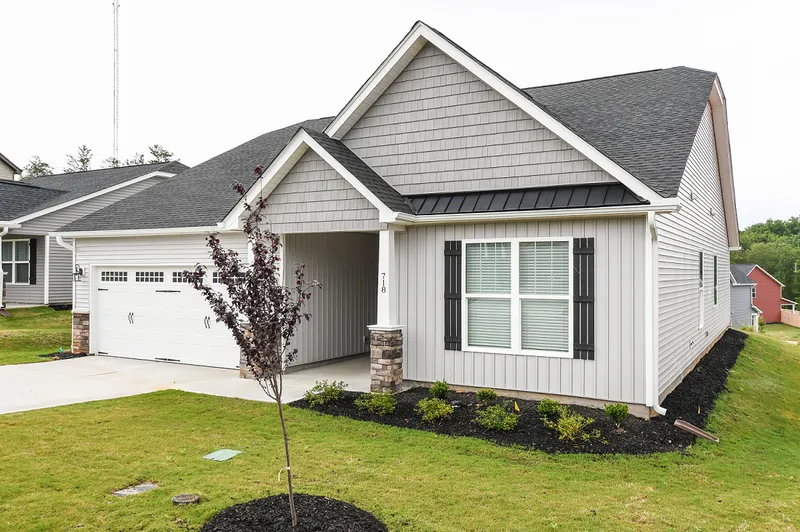
Location is one of the most important factors in residential real estate development. A well-constructed home may have attractive finishes and a practical floor plan, but its market performance can still be affected by where it is built. For spec home builders, choosing the right location is especially important because construction usually begins before a specific buyer has committed to the property. The builder must understand the area’s demand and make decisions based on the people most likely to purchase the completed home.
A suitable location can help a spec property appeal to more buyers, support a realistic selling price, and reduce the time needed to find a purchaser. However, a desirable neighborhood does not guarantee a successful investment. Land costs, competition, local regulations, infrastructure, and changing market conditions must all be considered. Careful research can help builders identify opportunities while avoiding sites that may create unnecessary financial or construction challenges.
Understanding the Relationship Between Location and Buyer Demand
Buyers often evaluate a property by considering more than the house itself. They may look at commuting distances, nearby schools, shopping facilities, healthcare services, parks, and access to major roads. These neighborhood characteristics can influence whether a property fits their daily needs.
For example, a home near employment centers may appeal to professionals who want a shorter commute. A property in a neighborhood with schools, parks, and family-oriented amenities may attract buyers looking for a suitable place to raise children. Other buyers may prioritize public transportation, restaurants, or access to entertainment.
Builders should identify the most common buyer groups in the area before deciding what type of spec home to develop. A property designed for families may require different room arrangements and outdoor features than one intended for first-time buyers or downsizing homeowners.
Research Neighborhood Sales Activity
Recent sales provide important information about the local market. Builders should review comparable properties that have sold in the same neighborhood or in nearby areas with similar characteristics. Useful details include the sale price, property size, bedroom count, age, condition, and time spent on the market.
Comparing similar homes can help investors estimate what buyers may be willing to pay. It can also reveal whether a neighborhood has strong demand for new construction or whether older homes dominate the market.
Active listings should be reviewed as well. They show what potential buyers can currently choose from and help identify competing properties. However, asking prices should not be treated as proof of market value. Recent completed sales usually provide a more reliable indication of what buyers have actually paid.
Evaluate the Cost of the Land
Land prices can have a major effect on a spec home’s financial feasibility. A lot in a popular neighborhood may offer strong resale potential, but the purchase price could leave too little room for construction expenses and a suitable profit margin.
Investors should calculate the total cost of acquiring and preparing the land. This may include purchase costs, legal expenses, surveys, soil testing, demolition, clearing, grading, drainage, utility connections, and access improvements.
A less expensive lot may not always be the better investment. If it requires extensive site work or infrastructure upgrades, the total development cost may exceed that of a more expensive but construction-ready property. A detailed site assessment can help builders compare options more accurately.
Consider Schools and Community Amenities
Nearby amenities can influence the appeal of a residential property. Schools, parks, recreation facilities, shopping areas, medical services, and community spaces may be important to different buyer groups.
Builders should examine the quality and accessibility of these amenities rather than simply counting how many are nearby. A school within a reasonable distance may be more relevant to a family buyer than a facility that requires a long drive. Similarly, access to public transportation may matter more in some markets than in others.
Community development plans can also provide useful context. Planned roads, commercial centers, parks, and infrastructure improvements may influence future neighborhood demand. However, proposed projects should be treated carefully until their funding, approvals, and timelines are clear.
Review Transportation and Accessibility
Transportation access can affect how convenient a location feels to potential buyers. A property near major roads, public transit, or employment routes may attract people who value predictable travel times. At the same time, homes located too close to heavy traffic may experience noise, congestion, or reduced privacy.
Builders should visit the site at different times of day to understand actual traffic conditions. They should also consider pedestrian access, parking, street lighting, and the condition of nearby roads.
Accessibility within the lot matters too. Driveway placement, vehicle turning space, pedestrian paths, and garage access should be considered during the design stage. These details can influence how practical the finished home feels to buyers.
Understand Zoning and Development Restrictions
A location may appear ideal but still have restrictions that affect the proposed project. Zoning rules can determine the permitted property use, building height, setbacks, lot coverage, parking requirements, and number of units allowed.
Builders should verify these requirements before purchasing land. They should also check for easements, deed restrictions, environmental limitations, flood-related requirements, and other conditions that may affect development.
Local authorities may require specific approvals before construction can begin. Understanding the process early helps investors establish a realistic timeline and avoid making commitments based on an unverified building plan.
Assess Environmental and Site Conditions
The physical characteristics of a lot can influence construction costs and the long-term performance of a home. Soil quality, drainage, slope, flood exposure, vegetation, and access to utilities should all be reviewed.
Poor drainage may require additional site work and can create problems if water is not directed away from the building. A steep slope may affect foundation design, driveway construction, and landscaping. Soil conditions may also influence the type of foundation needed.
Environmental assessments and professional site inspections can help identify issues that may not be obvious during a casual visit. Builders should include the cost of necessary investigations in their initial project planning.
Match the Home Design to the Neighborhood
A spec home should fit the character and price range of its location. Building a property that is significantly larger or more expensive than surrounding homes may limit the number of potential buyers. On the other hand, a home that is too small or lacks expected features may struggle to compete with nearby listings.
Builders should examine the styles, layouts, and features common in the target neighborhood. This does not mean copying every nearby house. Instead, the goal is to create a property that feels appropriate for the area while offering useful improvements.
Practical layouts, attractive kitchens, comfortable bedrooms, adequate storage, and functional outdoor areas may appeal to a broad range of buyers. The design should also consider local climate conditions and maintenance expectations.
Understand How Location Affects Financing
Location can influence how lenders evaluate a residential construction project. The value of the land, comparable sales, property type, construction budget, and marketability may all be relevant to the financing review. A lender may also consider the borrower’s experience and the proposed repayment strategy.
Builders developing a home for sale generally need financing suited to spec construction. The project is planned around completing the property and selling it to a buyer. If the investor instead intends to retain the completed home, the financial structure may be different.
For properties intended to generate rental income, build to rent loans may be a relevant financing category. However, a location that is attractive to homebuyers is not automatically suitable for rental ownership. Investors need to examine local rents, tenant demand, vacancy patterns, and ongoing operating expenses.
A rental-focused plan should be based on realistic income projections. Build to rent loans are generally designed for investors who intend to hold properties as rentals, not for every builder who happens to construct a new house. The intended use of the property should be established before choosing a financing product.
If a builder is considering changing from a sale strategy to a rental strategy, the location should be evaluated again from the perspective of tenants. The property should offer a suitable layout, convenient access, and rental pricing that fits the local market. In some cases, build to rent loans may help finance a qualifying rental development, but the lender’s conditions must be reviewed.
The difference between sale-oriented and rental-oriented development should remain part of the initial planning process. Build to rent loans may be worth discussing when the investment objective is long-term rental ownership rather than a short-term sale.
Compare Nearby Competition
A builder should understand what other developers are offering in the same area. Competing homes may include new construction, renovated older properties, and homes that are already listed for sale.
Reviewing the competition can help identify opportunities to differentiate the planned property. Perhaps nearby homes lack dedicated office space, have limited storage, or offer outdated kitchens. A spec builder may be able to address these preferences without significantly increasing the project budget.
However, differentiation should be based on buyer demand. Adding unusual features simply to make a home different may not improve its value. The best improvements are those that solve practical problems or provide benefits that local buyers already appreciate.
Monitor Market Changes
Location research should continue after construction begins. Employment changes, new infrastructure, interest rates, housing inventory, and buyer confidence can affect demand. A neighborhood that appeared attractive when land was purchased may have different market conditions by the time the property is ready for sale.
Builders should monitor comparable sales and competing listings throughout the project. This information can help them adjust the marketing strategy and make informed decisions about pricing. It may also help determine whether the property should be sold immediately or whether another investment approach deserves consideration.
Work With an Experienced Financing Provider
The financial side of a spec home project should be reviewed alongside location and construction planning. Investors need to understand the available funding options, required documentation, draw process, fees, loan term, and repayment conditions.
builderfinance.com provides financing options for builders and real estate investors, including spec construction and rental-oriented financing. Builders can review these categories and discuss their project plans with the lender. Eligibility and terms depend on the specific program, property, and borrower, so current details should be confirmed directly.
A lender familiar with residential projects can help investors understand how the intended use of the property relates to the available financing structure. This is especially important when deciding whether to build for sale or retain a property as a rental investment.
Conclusion
Location influences nearly every part of a spec home project, from land costs and construction requirements to buyer demand and resale potential. Builders should research neighborhood sales, evaluate amenities, review transportation access, understand zoning, and inspect site conditions before committing to a property. The home design should also reflect local preferences and the price range of competing properties.
A careful location strategy helps investors make decisions based on evidence rather than assumptions. When combined with realistic budgeting, quality construction, and suitable financing, it can improve the planning and management of spec home projects. Businesses can also review resources from builderfinance.com to understand financing options that align with their intended development strategy.