

A polished room is rarely born from money alone. It comes from restraint, nerve, and the kind of choices that make a space feel quietly expensive even when the sofa came from a sale. If your home feels scattered, flat, or oddly unfinished, that does not mean you need a full renovation. It usually means the room is missing rhythm.
The truth about style interior spaces well is simple: elegance is not about stuffing a room with pretty things. It is about knowing what to leave out, what to repeat, and where to let the eye rest. You want rooms that feel calm without being dull, personal without being messy, and refined without acting like a hotel lobby. That balance is harder than it looks.
I have seen small apartments feel richer than giant houses because the choices were sharper. A well-placed lamp, a curtain hung high, a chair with real shape, and a color palette that does not panic halfway through the room can do more than a shopping spree ever will. Good styling is not magic. It is judgment, and judgment can be learned.
Start With Structure Before You Chase Beauty
Most people decorate in reverse. They buy a vase, then a rug, then a side table, and wonder why the room still feels off. A room needs bones before it needs jewelry. That means layout, scale, circulation, and visual balance come first. The glamorous parts only work when the structure under them makes sense.
When you set the room properly, everything becomes easier. You stop fighting awkward pathways, furniture that looks stranded, and corners that collect random objects like a guilty conscience. A London flat with modest finishes can look smarter than a huge suburban living room if the layout respects proportion and movement. Beauty likes order. Chaos always shows.
Let Furniture Placement Do the Heavy Lifting
Furniture placement decides whether a room feels relaxed or tense. You should never push every piece against the wall just because the room is small. That move often makes the center feel empty and the perimeter feel desperate. Pulling a sofa a few inches forward or floating two chairs around a rug can create intimacy fast.
A dining area proves this point better than most spaces. If the table sits too close to a wall, every meal feels cramped. If the chairs cannot move without scraping into something, the room starts to annoy you before dinner even begins. Elegant rooms do not just look good in photos. They behave well in real life.
Scale matters just as much. Tiny furniture in a large room looks apologetic, while oversized pieces in a narrow room feel like a bad dare. Measure first. Then trust your eye. One confident cabinet with presence usually beats three flimsy ones that try too hard to help. Thin pieces often make a room feel poorer, not lighter.
Build Visual Balance With Anchors and Gaps
A room needs moments of weight and moments of quiet. That contrast gives it poise. If every surface is full, the room starts shouting. If nothing has enough presence, the room feels timid. Elegant interiors rely on anchors: a rug that grounds the seating area, a headboard with shape, a console that gives the entry purpose.
Gaps matter more than people think. Empty space is not wasted space. It is where your eye catches its breath. In a smart room, not every wall needs art and not every shelf needs décor. Leaving a corner open beside a statement chair can make that chair feel intentional instead of stranded.
This is where many people miss the mark. They keep adding instead of editing. Yet the fastest way to style interior spaces with confidence is often subtraction. Remove the side table that serves no one. Skip the extra stool. Let one sculptural lamp own its spot. Rooms gain dignity when you stop asking every inch to perform.
Use Color Like a Grown-Up, Not a Magpie
Color can make a room feel settled in one weekend or ruin it by sunset. The problem is not bold color itself. The problem is indecision. Many homes suffer from palette drift: cream walls, a gray sofa, warm oak, black metal, blue cushions, brass handles, and somehow pink art. None of it is wrong alone. Together, it gets noisy.
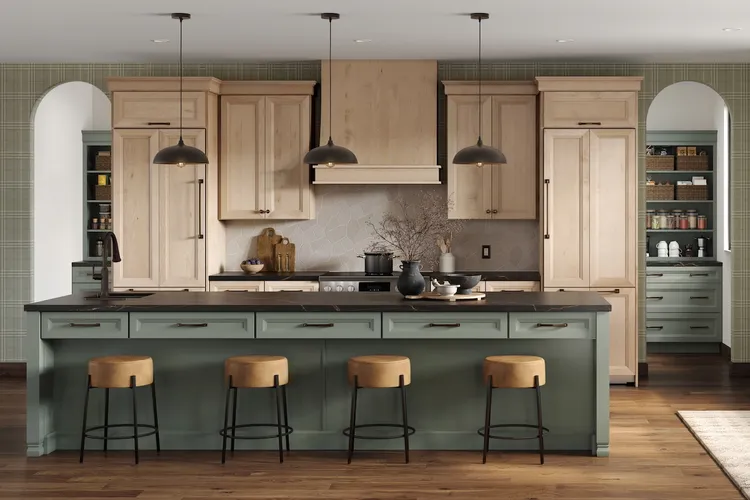
Elegant rooms do not need bland color, but they do need loyalty. Pick a lead tone, then build around it with discipline. That may be warm stone, soft olive, smoky blue, or deep brown. Once you choose the family, keep returning to it. Repetition makes a room feel intentional. Random beauty just feels random.
Choose a Palette That Matches the Light
Natural light changes everything. A color that looks graceful in a south-facing room can turn sour in a dim one. Before choosing paint, fabric, or even a rug, watch the room at morning, noon, and evening. Light is not a detail. It is half the design.
A north-facing room often benefits from warmer neutrals and richer undertones because cold grays can make it feel drained. A bright room can handle dustier shades and darker accents without turning gloomy. I once saw a small sitting room transformed simply by swapping icy white walls for a soft mushroom tone. The whole place exhaled.
The trick is to stop chasing trendy color names and start watching how a shade behaves in your actual home. You live with the light, not the paint chip. That is why elegant home styling always starts with observation. Fashion has its place, but a room should flatter your space before it flatters an algorithm.
Add Contrast Without Breaking the Mood
A room without contrast looks sleepy. A room with too much contrast looks jumpy. The sweet spot sits between those extremes. You want variation in depth, finish, and texture, but the mood should still feel connected. Think dark wood against pale upholstery, matte linen against glazed ceramic, or black accents used with restraint.
Contrast works best when it repeats. If you introduce black in one frame, echo it in a lamp base or table leg. If the room has warm brass, let that finish appear again somewhere else. Repetition keeps contrast from feeling like an accident. It also saves the room from the patchwork effect that ruins otherwise decent spaces.
One warning: high contrast is not the same as high style. A room does not become refined because you paired white walls with black accessories. That formula can look sharp, but it can also feel thin if nothing carries warmth. Wood, woven texture, books, and soft fabric keep elegance human. Without that softness, the room becomes all cheekbone and no soul.
Texture Is What Makes a Room Feel Expensive
You can spot a flat room in seconds. It has the right furniture, the right color family, maybe even nice lighting, yet it still feels oddly cheap. The missing ingredient is texture. Not clutter. Texture. Rooms need tactile variation so the eye keeps discovering shape, grain, softness, and depth. This is where elegance stops being theoretical and starts feeling real.
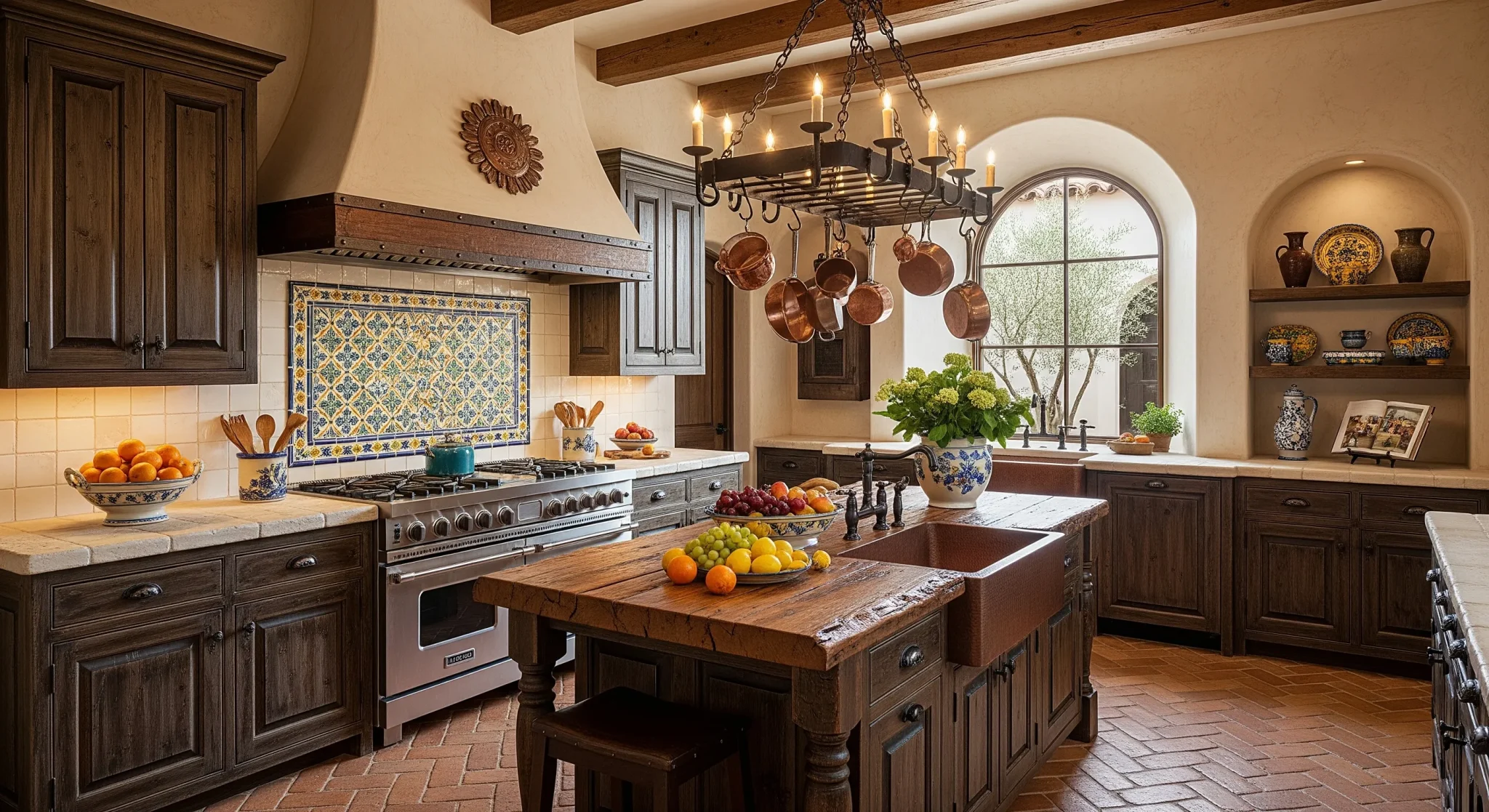
Texture is also a smart fix when you do not want strong color. A room built in cream, taupe, brown, and black can feel deeply layered if the materials carry enough character. Bouclé beside walnut, linen beside stone, old books beside glass, wool underfoot, and a ceramic bowl with a slightly uneven finish can make the space hum. Quietly. That is the point.
Mix Materials So Nothing Feels One-Note
A room that uses the same finish everywhere gets dull fast. Too much smoothness feels sterile. Too much rustic texture feels staged. The strongest rooms mix polished and imperfect elements so the space feels collected instead of copied. That mix gives the room friction, and friction is interesting.
Take a bedroom as an example. A tailored upholstered bed can look far better with weathered wood nightstands than with matching lacquered pieces. Add crisp cotton bedding, a nubby throw, and a metal reading lamp, and suddenly the room has range. It feels finished because every material brings a different note to the same song.
This is also where you can make affordable pieces work harder. A plain sofa becomes more convincing with a substantial wool throw and pillows in mixed fabrics rather than a pile of shiny cushions that all look bought on the same Tuesday. Money helps, sure. Taste helps more. Texture often hides the difference.
Style Surfaces With Restraint and Nerve
Surfaces tell the truth about your taste. A coffee table packed with candles, trays, beads, books, and decorative objects usually tells the truth in the worst way. Styling is not about proving you own things. It is about editing until the room feels composed.
Start with fewer pieces than you think you need. On a console, that might mean a lamp, a bowl, and one framed piece leaning behind it. On a coffee table, maybe two books and an object with shape. If you add flowers, let them breathe. If every item fights for attention, none of them wins.
The best stylists know when to leave the table half-empty. That choice takes nerve because empty space can feel unfinished at first. Sit with it. Rooms often need a day or two before your eye adjusts. For more ideas on creating polished, media-ready rooms, explore editorial-style interior inspiration and study how simple compositions carry more authority than crowded ones.
Lighting and Details Decide Whether the Room Has Grace
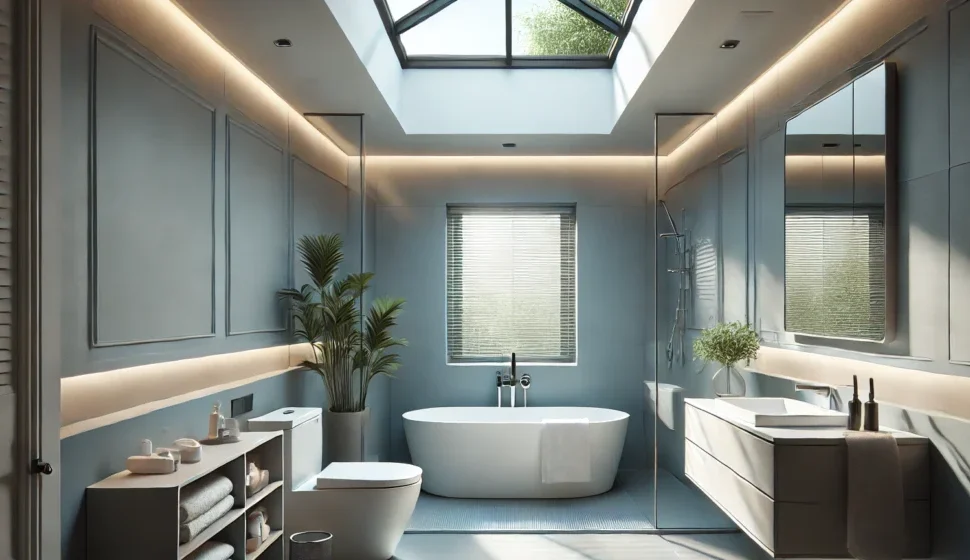
You can get almost everything right and still miss elegance if the lighting is wrong. Overhead fixtures alone flatten faces, flatten furniture, and flatten mood. A room with one harsh ceiling light rarely feels refined, no matter how good the sofa is. Grace arrives when light comes from different heights and creates pockets of warmth.
Details finish that story. Curtains, hardware, art placement, plant choice, and even the shape of a lampshade can elevate a room or quietly sabotage it. This is the part people rush because they are tired of making decisions. Fair enough. Still, this last stretch separates a nice room from one you remember.
Layer Light Like You Mean It
Every room needs at least three kinds of light: ambient, task, and accent. That sounds technical, but it is really about comfort. You need general light to move through the room, focused light to read or work, and softer light that brings atmosphere once the sun drops.
A living room with a ceiling fixture, a floor lamp near the sofa, and a table lamp on a sideboard will almost always feel richer than one with a single dramatic pendant. The second room may look stylish in daylight, but it turns miserable at night. Homes are lived in after dark. Design should acknowledge that small fact.
Bulbs matter too. Warm light tends to flatter interiors better than stark white light, especially in bedrooms, lounges, and dining spaces. Dimmers help even more. They let the room shift with the hour. Good lighting does not scream for praise. It just makes you look better, feel calmer, and stay longer.
Finish With Details That Feel Personal, Not Performed
Elegant rooms carry personality, but they never beg for applause. That means your finishing details should reveal a life, not stage one. A stack of books you actually return to, a framed sketch from a trip, a handmade bowl, or a family photograph printed well and placed with care will do more than a shelf of generic ornaments.
Art deserves special attention. Hang it too high and the room feels disconnected. Make it too small and it looks like an afterthought. In most homes, art should relate to furniture, not float in lonely space above it. A large canvas over a sideboard feels confident. Six tiny frames scattered without reason feel nervous.
Plants follow the same rule. One substantial plant often adds more elegance than several small ones dotted around like punctuation marks. The same goes for textiles. Curtains should kiss the floor or nearly do so. Short curtains look stingy. And yes, people notice, even if they cannot explain why the room feels unfinished.
Style Interior Spaces With Elegance by Editing, Not Excess
The rooms that stay with you are rarely the loudest ones. They are the spaces that know exactly what they are doing. They hold your attention without begging for it. That kind of elegance comes from editing with intention, trusting proportion, and letting materials, light, and balance do the persuasive work. It is less about decorating harder and more about choosing better.
If your home feels close to good but not quite there, resist the urge to buy ten new things. Walk through each room and ask harder questions. Does the layout make sense? Does the color palette stay loyal to itself? Do the textures create depth? Does the lighting flatter the space after sunset? That is how style interior spaces in a way that feels lasting rather than temporary.
Good taste is not a mystery reserved for designers. It is a habit of noticing. Notice what feels heavy, what feels thin, what feels crowded, and what finally feels calm. Then act on that knowledge. Start with one room, edit without mercy, and give your home the dignity of decisions that actually belong there.
What are the best ways to style interior spaces with elegance on a budget?
Start by fixing layout, lighting, and clutter before buying anything new. Then invest in one strong rug, better curtains, and a good lamp. Paint, texture, and editing create elegance faster than trendy décor. Cheap rooms improve when choices look deliberate, not random.
How do you make a small room look elegant instead of crowded?
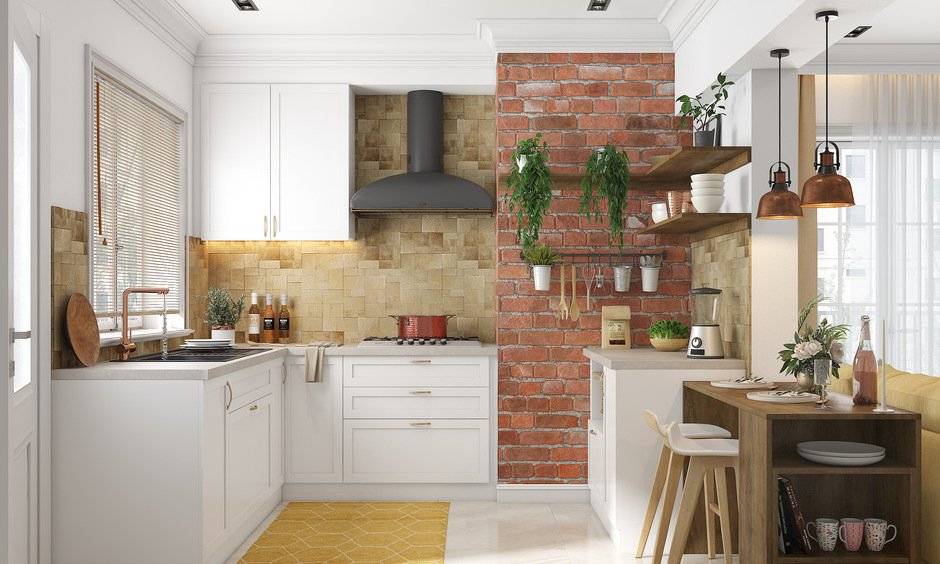
Keep furniture scaled to the room, but not tiny. Use fewer pieces with stronger presence, hang curtains high, leave some surfaces open, and repeat colors. Small rooms feel elegant when they breathe. Crowding kills grace faster than square footage ever does indoors.
Which colors make interior spaces feel more elegant?
Warm neutrals, deep browns, muted greens, smoky blues, and soft stone shades often feel refined because they age well. The real trick is consistency. Elegant rooms pick a palette and stay loyal to it instead of collecting random colors that fight each other.
How often should you update your home styling?
You do not need seasonal overhauls unless you enjoy them. Most rooms improve with small edits every few months and one sharper review each year. Swap textiles, rethink lighting, remove clutter, and adjust layout. Good styling evolves. It should never feel frozen.
What lighting works best for elegant interior design?
Layered lighting wins every time. Use ceiling light for general brightness, lamps for warmth, and focused lights for reading or tasks. Choose warm bulbs and add dimmers where possible. Elegant rooms feel good at night, not just during bright afternoon photos.
Can minimalist rooms still feel warm and elegant?
Yes, but only when minimalism includes texture, warmth, and personality. A bare room is not automatically elegant. Add linen, wood, books, soft lighting, and art with presence. Minimal spaces feel inviting when restraint is balanced with character and comfort throughout.
How do you choose décor without making a room look overstyled?
Choose fewer items and let each one earn its place. Mix height, shape, and texture, but stop before every surface feels busy. Overstyled rooms usually contain too many decent things. Understated rooms feel stronger because they leave space for the eye.
What is the biggest mistake people make when styling elegant interiors?
They chase pretty objects before fixing structure. Bad layout, weak lighting, mixed-up scale, and palette drift will ruin elegant intentions every time. The room needs good bones first. After that, décor starts helping instead of desperately trying to save everything.