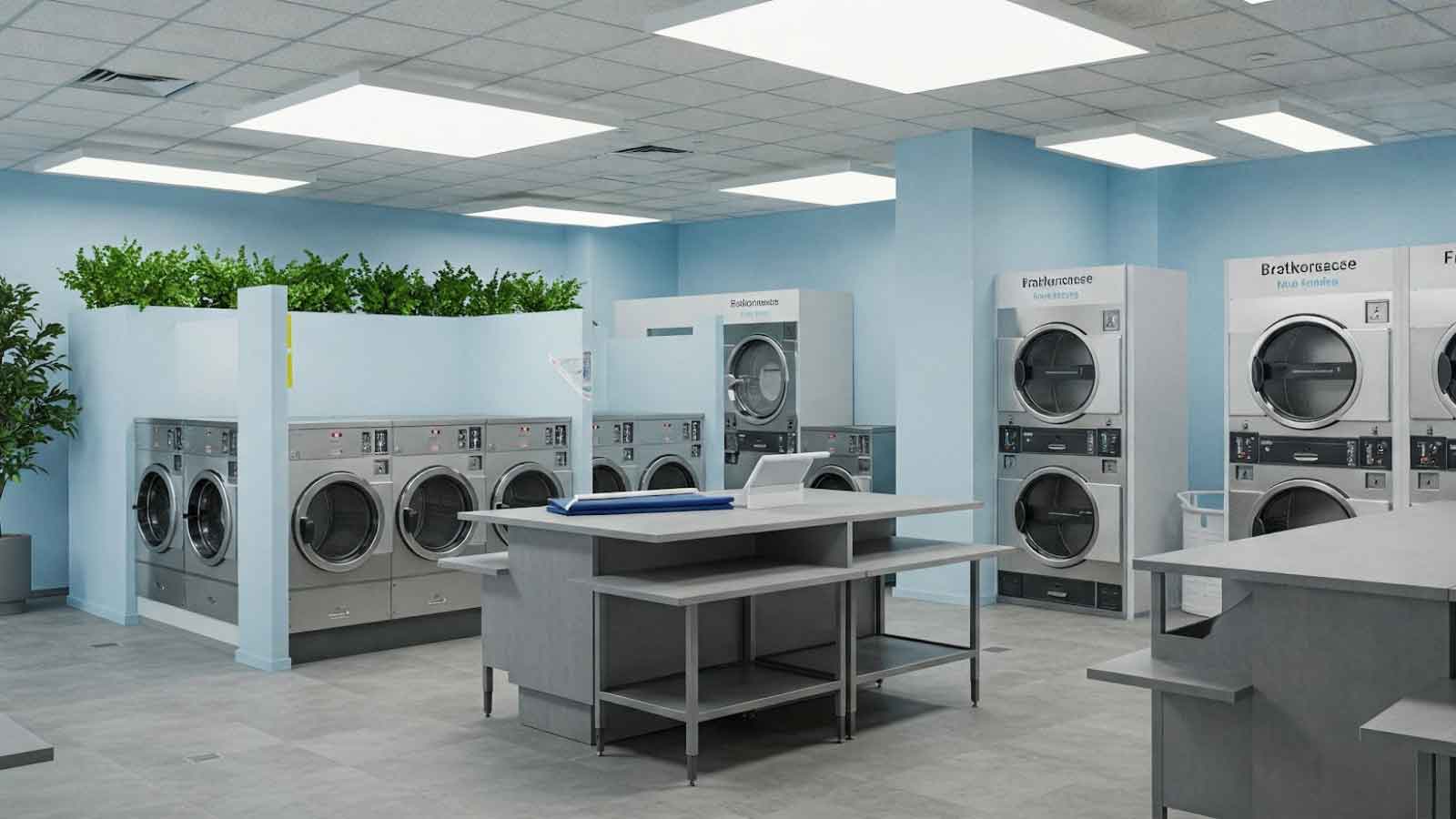
Laundry rooms fail fast when every clean towel, school shirt, and sock pile has nowhere to land. A folding counter installation changes that pressure point because it gives the room a real work surface instead of forcing you to balance laundry on appliance tops, baskets, or the nearest bed. For many American homes, especially ranch houses, townhomes, and tighter suburban laundry closets, the counter becomes the missing piece between washing and putting clothes away. Good planning matters more than expensive materials, and smart layout beats oversized design every time. A useful laundry setup should help you sort, fold, stack, spot-treat, and move without turning one small chore into three extra trips. Homeowners comparing practical upgrades often look for reliable home improvement guidance before cutting shelves, drilling supports, or choosing countertop material, because laundry rooms leave less room for mistakes than people expect. The goal is not to make the room look staged. The goal is to make it work hard on Tuesday night when the dryer buzzes, dinner is half done, and someone needs a clean uniform by morning.
Plan the Counter Around How Laundry Actually Moves
A counter only works when it matches the path your laundry already takes. Many homeowners start with the wrong question: “How big can the counter be?” The better question is, “Where does the laundry pause before it moves again?” That answer decides the height, depth, support style, and whether your setup should sit over machines, along a side wall, or across a small alcove.
Why Counter Height Can Make or Break the Room
Counter height feels like a minor detail until you fold a full dryer load on a surface that sits too low. Standard kitchen counter height, around 36 inches, often works well for folding, but laundry rooms are not kitchens. Front-load washers and dryers may already sit higher on pedestals. Top-load washers need lid clearance. Older homes may have uneven flooring, bulky hoses, or outlets placed exactly where a clean counter line wants to go.
A laundry room counter should meet your body, not fight it. If you are bending over every shirt, your back will notice before the week ends. If the counter sits too high, small stacks slide, and folding fitted sheets turns into a wrestling match. The sweet spot is the height where your forearms can rest naturally while your shoulders stay relaxed.
A real example shows the difference. In a typical U.S. laundry closet with front-load machines, a counter built an inch or two above the machines can create a smooth folding surface without blocking access. In a mudroom-laundry combo, a side counter at standard height may work better because it keeps appliance repairs easier. The counterintuitive part is simple: the most attractive position is not always the most useful one.
Reading the Room Before You Buy Materials
A tape measure tells only part of the truth. You also need to study door swings, basket movement, appliance vibration, hose access, and the way people enter the space. A laundry room workflow breaks down when a cabinet door blocks the dryer, when a basket cannot sit flat, or when the counter edge sticks into a walking path.
Measure width and depth, then measure behavior. Stand in the room with an empty basket. Open the washer. Open the dryer. Pretend to pull out towels, fold them, stack them, and carry them away. This awkward little rehearsal exposes problems a drawing will hide. It also shows whether your laundry room counter needs open space underneath, a wall-mounted bracket system, or a simple top spanning two appliances.
American homes vary wildly here. A newer Texas subdivision house may have a wide laundry room with side-by-side machines and a utility sink. A Boston-area condo may have a stacked unit inside a narrow closet. Both can gain efficiency, but not from the same design. Good installation starts by respecting the room you have instead of copying a photo from a room you do not.
Choose Materials That Survive Moisture, Heat, and Real Use
Laundry counters live a tougher life than they get credit for. They face detergent drips, damp towels, dryer heat, dropped baskets, lint, bleach spots, and the occasional lost marker. A beautiful surface that stains in month three is not a win. Material choice should balance cost, durability, weight, cleaning, and how the counter will be supported.
Picking a Surface That Handles Daily Folding
Laminate remains one of the smartest choices for many homes because it costs less, wipes clean, and does not demand much care. It is not fancy, but laundry does not need fancy. It needs forgiving. A quality laminate top can handle folded clothes, detergent bottles, and daily mess without turning every spill into a panic.
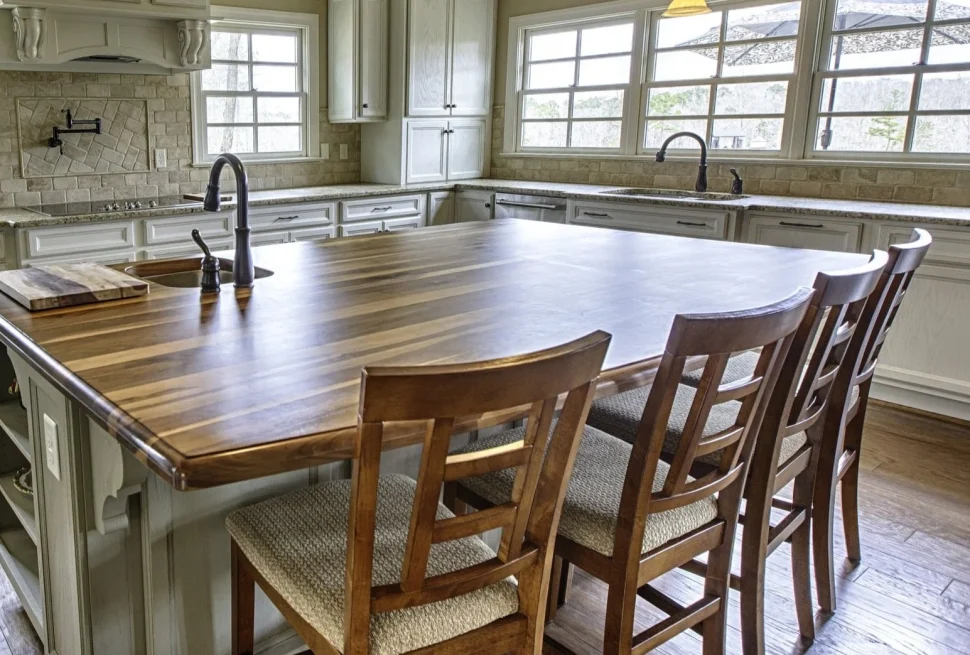
Butcher block adds warmth, and it can look excellent in a laundry room that connects to a kitchen, mudroom, or hallway. It needs sealing, though. Damp fabric left overnight can leave marks if the surface is not protected. Solid surface counters offer a clean look and easy maintenance, but cost may climb fast in a small project once fabrication enters the picture.
A washer dryer countertop also needs the right weight. Heavy stone may look premium, but it can overload weak supports or make appliance service harder. A lighter surface with smart bracing often gives better long-term value. The surprise is that the “cheaper” material can be the more professional choice when it fits the room, the load, and the way the space gets used.
When Fold-Down Designs Beat Fixed Counters
A folding laundry station can save a tight room from feeling trapped. Wall-mounted fold-down counters work well in narrow laundry rooms, hallway laundries, garage laundry zones, and small apartments where permanent depth would block movement. The surface stays available when needed and disappears when baskets, pets, or people need the walkway.
The hardware matters more than the panel. Weak hinges, undersized brackets, or poor wall anchoring turn a clever idea into a wobbly nuisance. A fold-down counter should lock firmly in position, sit level under moderate load, and close without scraping trim or appliances. Stud placement often decides the design before material choice does.
This is where many DIY projects get too optimistic. Drywall anchors alone are not enough for a counter that will hold laundry piles, detergent, and hand pressure. Hitting studs or adding a proper cleat gives the surface its backbone. The smartest small-space solution is not the thinnest one. It is the one that opens, holds steady, and closes without making you think about it.
Folding Counter Installation That Protects Appliances and Access
The counter is not the only thing in the room. Washers and dryers need breathing room, service access, vibration clearance, and safe connection points. A clean installation respects those needs instead of boxing everything in for the sake of a perfect photo. The project succeeds when the counter improves the room without making maintenance miserable.
Building Support Without Trapping the Machines
Support can come from side cleats, rear cleats, wall brackets, cabinet bases, or a frame that spans over appliances. The best choice depends on the room’s width, wall structure, counter material, and whether machines may need to slide out later. Many homeowners regret permanent-looking builds that trap hoses and cords behind a counter that cannot move.
A removable top often makes sense over front-load machines. You can secure it enough for daily use while still allowing access when a washer needs repair. Small gaps at the sides and back may not look perfect, but they can save a service call from turning into demolition. A neat shadow line beats a counter that has to be ripped out.
Vibration also deserves respect. Washers move, especially during high-speed spin cycles. A counter that touches the machines may rattle, scrape, or transfer movement into the wall. Leave a small clearance above appliance tops when possible. That tiny gap may feel unnecessary during installation, but it becomes valuable the first time a heavy load of jeans starts spinning.
Keeping Plumbing, Power, and Venting Reachable
Laundry rooms pack a lot of function into a small footprint. Water valves, drain lines, electrical outlets, gas lines, and dryer vents often sit directly behind the machines. Covering them without access is a bad trade. You may gain a smooth top, but you lose control when a hose leaks or a vent needs cleaning.
A smart layout keeps shutoff valves reachable. It also avoids pinching hoses or forcing dryer ducts into sharp bends. Electric dryers and gas dryers have different needs, and gas connections deserve professional care. Any electrical changes, outlet moves, or hardwired lighting near the laundry area should follow local code and may need a licensed electrician.
The practical move is to design with future maintenance in mind. Add an access notch, a removable rear strip, or a counter section that lifts out. It may not be the feature guests admire, but it is the detail you will appreciate when something goes wrong at 9 p.m. on a Sunday. Good laundry design plans for ordinary life, not only for clean photos.
Make the Counter Work With Storage, Sorting, and Small Habits
A counter helps most when it connects to the rest of the room. Folding is only one step. Clothes need sorting before washing, stacking after drying, and space for items that require stain treatment, air drying, or quick repair. A counter without nearby storage can still become a clutter shelf unless the room gives every task a place to finish.
Pairing the Counter With Baskets and Open Zones
Baskets need landing zones. Without them, the counter becomes a temporary dump spot, and clean clothes mix with items waiting for the wash. Open cubbies, lower shelves, or clear floor space beneath a counter can keep baskets organized without adding visual weight. This matters in small homes where laundry shares space with a back entry or garage door.
A laundry room workflow improves when dirty, clean, and special-care items do not compete for the same surface. One basket can sit below for towels, another for school clothes, and a small tray can hold pocket finds. Simple zones reduce decision fatigue. Nobody wants to think deeply about laundry after a long workday.
Built-in cabinets are helpful, but they are not always needed. A slim rolling cart, wall hooks, or one open shelf can do more than a wall of closed doors if the placement makes sense. The unexpected truth is that too much storage can hide bad habits. Open, obvious zones often train the room better than deep cabinets nobody wants to sort through.
Designing for Stain Treatment and Air-Dry Pieces
A counter near the washer should support more than folding. It can become a practical station for stain treatment, sweater blocking, delicates, and quick clothing checks before items hit the dryer. That only works if the surface can handle moisture and the nearby storage holds the supplies you reach for most.
Place stain remover, mesh bags, a lint roller, and a small brush within arm’s reach. Keep bleach away from colored clothing zones, especially if kids help with laundry. If the room has a hanging rod above the counter, leave enough vertical space so damp shirts do not drag across clean folded piles.
A folding laundry station with a small upper rod can work wonders in a narrow room. Fold-down surface below, drying rod above, supplies on one side. It sounds simple because it is. The power comes from reducing extra movement. When the room lets you treat, hang, fold, and stack without leaving the space, laundry stops spreading across the whole house.
Finish the Room So the Counter Stays Useful
The final layer is not decoration for decoration’s sake. Finish details decide whether the counter stays clear, cleans easily, and feels pleasant enough to use. Laundry rooms often get the leftover paint, the leftover shelf, and the leftover patience. That is a mistake. A hardworking room deserves finish choices that support the task.
Lighting, Edges, and Wall Protection Matter
Poor lighting makes laundry slower. Stains hide in shadows, dark socks get mismatched, and folded stacks look messy even when they are not. Under-shelf lighting, a bright ceiling fixture, or a simple wall-mounted light can make the counter feel like a proper work area instead of a utility corner.
Edges also matter. A sharp counter corner near a narrow walkway will annoy you every week. Rounded corners, eased edges, or careful placement can prevent hip bumps and basket snags. Backsplashes or washable wall panels protect the wall from detergent splatter and damp fabric. Paint alone may work, but choose a finish that wipes clean.
A small backsplash behind a washer dryer countertop can make the installation feel finished while hiding uneven wall gaps. It also keeps socks, dryer sheets, and small items from slipping behind the machines. That little detail feels minor until you stop fishing things out with a yardstick.
Preventing the Counter From Becoming a Clutter Magnet
Every flat surface invites clutter. Laundry counters are no exception. Coins, receipts, cleaning sprays, pet leashes, batteries, and mail can gather there if the room does not give them another destination. The counter should serve laundry first. Once it becomes general storage, its value drops fast.
Use a small tray for pocket finds and keep it intentionally small. Add one bin for items that need repair or special washing. Avoid filling the counter with decor that has to be moved every time you fold clothes. A plant or small framed print is fine, but the work surface should stay ready.
The best long-term habit is clearing the counter at the end of each laundry cycle. Not someday. Not when company comes over. At the end of the cycle. A clean surface makes the next load easier to start, and that tiny reset keeps the room from sliding back into chaos.
Conclusion
A better laundry room does not come from adding more features. It comes from removing friction. The right counter gives clean clothes a place to land, keeps baskets from drifting through the house, and turns a cramped utility area into a room that actually helps you finish the job. That is why folding counter installation should be planned with the same care you would give a kitchen work zone, even if the project looks smaller on paper.
Start with the movement of laundry, then choose the surface, support, and storage around that movement. Leave access for repairs. Respect moisture. Give baskets a home. Keep the surface clear enough to work the moment the dryer stops. A good counter does not ask for attention every day. It quietly saves steps, protects your back, and keeps the household rhythm from breaking. Measure your room this week, map the real workflow, and build the counter that makes laundry easier every time you use it.
Frequently Asked Questions
What is the best height for a laundry room folding counter?
Most laundry folding counters work well near standard counter height, around 36 inches. Front-load machines may require a slightly higher surface if the counter spans over them. Comfort matters most, so test the height with your arms relaxed before committing to supports.
Can I install a laundry counter over a washer and dryer?
Yes, a counter can sit over side-by-side front-load machines when there is enough clearance for vibration, airflow, hoses, and service access. Avoid trapping appliances permanently. A removable or lift-off counter section often makes future repairs much easier.
What material is best for a laundry room counter?
Laminate, sealed butcher block, and solid surface materials are common choices. Laminate is budget-friendly and easy to clean. Butcher block adds warmth but needs sealing. The best material depends on moisture exposure, support strength, budget, and cleaning habits.
How deep should a laundry folding counter be?
A depth of 24 to 30 inches works for many laundry rooms. Smaller rooms may need a shallower surface to protect walkways. The counter should be deep enough for folded towels but not so deep that it blocks doors, baskets, or appliance access.
Is a fold-down laundry counter strong enough for daily use?
A fold-down counter can be strong when mounted into studs or a proper wall cleat with quality brackets. Drywall anchors alone are not reliable for regular pressure and weight. Hardware strength and wall structure matter more than the panel itself.
Do I need a professional to install a laundry folding counter?
Many homeowners can install a simple counter with basic tools, accurate measuring, and solid wall support. Hire a professional for electrical changes, gas dryer concerns, plumbing adjustments, stone fabrication, or any project that affects code-required access and safety.
How do I stop a laundry counter from shaking over appliances?
Leave a small clearance above the washer and dryer so machine vibration does not transfer into the counter. Secure the counter to wall supports rather than resting it directly on appliances. Leveling the washer can also reduce movement during spin cycles.
What storage works best under a laundry folding counter?
Open basket cubbies, rolling hampers, and low shelves work well because they keep sorting visible and easy. Closed cabinets can help with supplies, but baskets need quick access. The best setup separates clean clothes, dirty laundry, and special-care items.