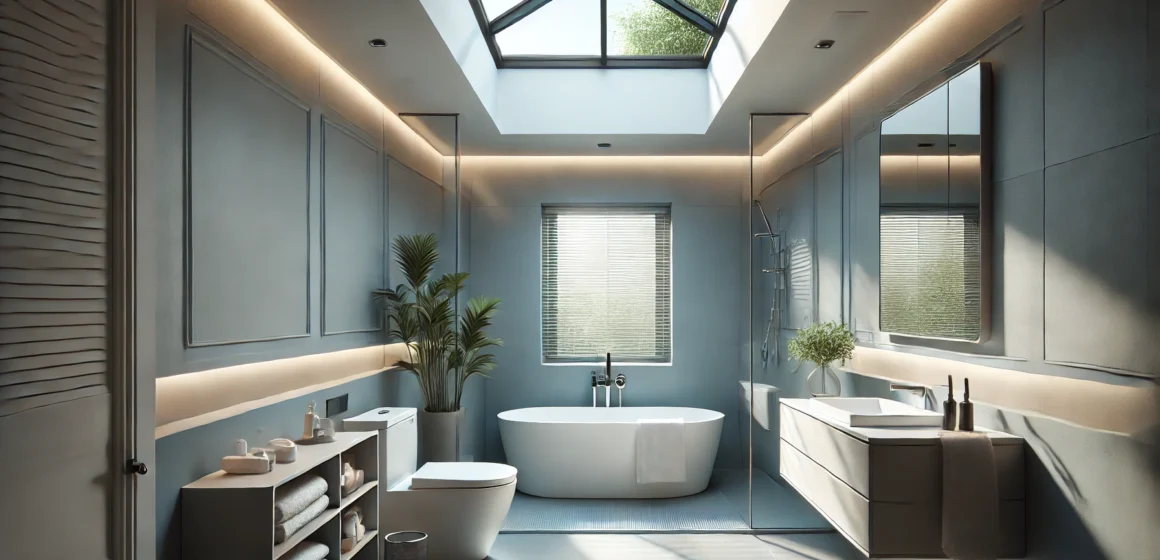
A bathroom can feel larger the second daylight enters from above. The problem starts when that same light makes the room feel exposed, especially in tight American neighborhoods where rooflines, second-story windows, and side yards sit closer than anyone expected. That is why skylight privacy glass matters so much: it protects the room without turning a bright upgrade into a dim ceiling patch. The best choice is not always the cloudiest glass. Heavy opacity can make a bathroom feel safe but flat, while the right texture, tint, or film keeps the glow alive. Homeowners planning remodels through trusted home improvement publishing resources should think about privacy as part of comfort, not as an afterthought. A skylight sits above your daily routine, your shower steam, your mirror glare, and your sense of ease. Get the glass right, and the room feels calm. Get it wrong, and the bathroom never feels settled, even with expensive tile below it.
How Skylight Privacy Glass Keeps Daylight Useful
The best bathroom skylights do two jobs at once. They pull in clean overhead light, then soften views enough that you do not feel watched from the roofline or a nearby upstairs window. That balance matters more than most homeowners expect because privacy glass can either shape light or suffocate it.
Frosted Skylight Glass for Soft, Even Coverage
Frosted skylight glass works well when the bathroom needs a gentle wash of light rather than sharp sunbeams. It scatters daylight across the ceiling and walls, so the room feels brighter without creating a clear view through the glass. This makes it useful above tubs, vanities, and central floor areas where comfort matters more than sky detail.
A common mistake is picking the most opaque version because it feels safer in a showroom. Once installed, that same glass can make the bathroom look dull on cloudy mornings. A softer frost often performs better because it hides shapes while still letting the sun move across the room in a natural way.
In a small ranch home or Cape Cod-style house, frosted glass can also reduce the hard glare that bounces off white tile. That matters in real life. Morning light should help you wake up, not punish your eyes while you brush your teeth.
Obscure Glass Skylight Patterns That Hide More Than They Block
An obscure glass skylight uses texture instead of pure haze. The surface bends the view, breaks up outlines, and keeps the room from feeling sealed off. This can be a smart choice when you still want a little sparkle from the sky but do not want anything below the skylight to read clearly from outside.
Pattern depth changes the result. A light rain pattern may soften views enough for a powder room, while a deeper pebbled texture makes more sense above a shower. The trick is matching the pattern to the real sightline, not to a sample held under store lighting.
Bathroom natural light also changes through the day. A textured pane that feels private at noon can behave differently at night when lights are on inside. That is where many homeowners get caught. Privacy is not only about daytime views; it is also about how the glass acts after dinner when the room becomes brighter than the roof above it.
Choosing Glass by Bathroom Layout, Roof Angle, and Neighbor Sightlines
Glass choice should begin with the room, not the catalog. A skylight over a hallway-style bathroom faces a different privacy problem than one over a soaking tub under a steep roof. The layout decides how exposed the room feels, while the roof angle decides who could see anything in the first place.
Why Roof Pitch Changes What People Can See
A steep roof usually limits direct views because the skylight faces upward at a sharper angle. That can make lighter privacy glass enough for many homes. A low-slope roof, common on additions and some modern houses, may leave the skylight more visible from nearby second floors or taller neighboring homes.
This is where a quick outside check beats guessing. Stand where a neighbor’s window, deck, or raised yard might face your roof. You may find that the glass does not need maximum opacity. Or you may find one angle that sees more than you expected.
A suburban bathroom addition in Ohio or New Jersey can sit only a few feet from the property line. In that case, privacy is not paranoia. It is part of making the room feel usable every day, especially in winter when trees lose leaves and sightlines open up.
When Clearer Glass Beats Heavier Frost
Clearer privacy glass can be the better pick when the skylight sits high, faces away from neighbors, or lands over a dry zone such as a vanity walkway. You still gain softness, but the room keeps more depth and sky color. That can make the bathroom feel less like a utility room and more like a place you enjoy entering.
Heavy frost has its place, yet it can flatten the whole design. Stone, brass, warm paint, and wood accents all lose character when the light becomes too milky. Bathrooms need privacy, but they also need contrast.
Bathroom natural light should feel alive across the day. A little variation from morning to afternoon gives the space a human rhythm. Total diffusion can protect privacy, but it may also erase the reason you wanted a skylight in the first place.
Films, Shades, and Aftermarket Fixes for Existing Skylights
Not every privacy problem needs new glass. Many U.S. homes already have a skylight that works structurally but fails emotionally. Maybe it is too clear over the tub, or maybe a new house went up next door and changed the whole view. Aftermarket fixes can rescue the room without tearing into the roof.
Skylight Window Film for a Cleaner Retrofit
Skylight window film can add privacy to existing glass without replacing the skylight unit. Frosted, etched, and light-diffusing films can soften the view while keeping a fair amount of daylight. For homeowners on a budget, this is often the least disruptive first move.
Film quality matters because bathrooms punish cheap materials. Steam, heat, condensation, and roof-level sun can expose weak adhesive fast. A film that looks neat on a bedroom window may peel or bubble when placed on an angled skylight above a humid bathroom.
Installation is another hidden issue. A high ceiling or deep skylight shaft can make a simple product harder to apply cleanly. If the glass is out of reach, the cost of safe installation may change the math enough that a shade or glass replacement starts to look more sensible.
Light-Filtering Shades for Showers, Tubs, and Night Privacy
A skylight shade gives control that glass alone cannot provide. You can leave it open during the day, soften it during harsh sun, and close it when the bathroom lights are on at night. That flexibility is useful when privacy needs change by hour rather than by season.
Manual shades work for reachable skylights, but many bathroom skylights sit too high for daily use. Solar-powered or electric shades make more sense there. They cost more, but a shade you can operate is worth more than a cheaper one nobody touches.
Skylight window film and shades can also work together in exposed bathrooms. Film handles the everyday blur, while the shade handles nighttime privacy. It sounds like too much until you live with a bathroom that faces a tall apartment building or a neighbor’s dormer window. Then it feels practical.
Durability, Cleaning, and Energy Choices That Matter Later
The prettiest glass sample means little if the bathroom becomes humid, hard to clean, or uncomfortable in July. A skylight lives in a rough spot. It takes sun, rain, roof heat, indoor moisture, and cleaning neglect. The privacy choice has to survive all of that without making the room harder to maintain.
Tempered or Laminated Glass Where Bathrooms Get Steamy
Bathroom skylights should use safety-minded glazing, especially when installed above areas where people stand, bathe, or move barefoot. Tempered glass breaks differently than standard glass, while laminated glass holds together with an inner layer. Local code, skylight type, and placement can affect what is required, so this is worth discussing with a qualified installer.
Steam adds another layer. Moisture rises, hits cooler glass, and turns into condensation when the setup is poor. Privacy textures can hide some spotting, but they can also make grime harder to wipe if the texture sits on an exposed surface rather than inside the glass unit.
An obscure glass skylight with internal texture or protected glazing can be easier to live with than a rough surface facing the bathroom. That small detail rarely gets enough attention during shopping. It matters every time someone has to clean above a tub with a step ladder.
Coatings, Condensation, and the Daylight You Keep
Energy performance affects comfort as much as privacy does. Low-E coatings, insulated glass, and the right frame can help reduce heat gain in summer and heat loss in winter. For a broader benchmark, homeowners can review ENERGY STAR guidance for windows, doors, and skylights before comparing labels and bids.
The counterintuitive part is that more tint does not always mean a better bathroom. A dark tint may cut glare, but it can also make the room feel gray during rain or early winter mornings. Privacy glass should protect the room without stealing the clean overhead light that makes the bathroom feel open.
Good ventilation still matters. A quiet exhaust fan, proper roof flashing, and a skylight shaft finished with moisture-resistant materials all support the glass choice. Privacy cannot carry the whole project alone, and it should never be asked to.
Conclusion
A bathroom skylight should never make you choose between daylight and comfort. The right answer depends on your roof pitch, bathroom layout, night lighting, and the houses around you. That is why the smartest choice often falls somewhere between clear glass and full opacity. A soft frost, a textured pane, a quality film, or a controllable shade can all work when matched to the room’s actual exposure.
The bigger lesson is simple: skylight privacy glass is not a decorative upgrade. It shapes how safe, bright, and relaxed the bathroom feels every single day. Before ordering anything, check the sightlines outside, stand in the bathroom at night with the lights on, and think about cleaning access as much as beauty. Then choose the option that protects the room while keeping the daylight worth having.
Talk with a skylight installer before the roof is opened, because the best privacy decision is always cheaper before the glass is in place.
Frequently Asked Questions
What is the best privacy glass for a bathroom skylight?
Frosted or obscure glass usually works best because it softens views while allowing daylight to enter. Frosted glass gives a smooth glow, while textured obscure glass keeps more visual movement. The right choice depends on roof angle, nearby windows, and how much night privacy you need.
Does frosted skylight glass still let enough light into a bathroom?
Yes, it can keep a bathroom bright when the opacity level is chosen carefully. Light frost spreads daylight across the room instead of blocking it completely. Extra-heavy frost may feel private, but it can make small bathrooms look flat or dim.
Can neighbors see through a bathroom skylight at night?
They might if the skylight has clear glass and the bathroom lights are on. Night privacy is different from daytime privacy because the brighter side becomes easier to see. Frosted glass, textured glass, film, or a shade can reduce that risk.
Is skylight film a good option for bathroom privacy?
Film can work well when the existing skylight is in good shape and the privacy problem is mild to moderate. Choose a product rated for heat, humidity, and angled glass. Poor film can peel, bubble, or discolor faster in a steamy bathroom.
Are skylight shades better than privacy glass?
Shades offer more control, while privacy glass works all the time without adjustment. A shade is better when privacy needs change between day and night. Privacy glass is better when you want a passive solution that does not depend on daily use.
What glass should I use above a shower skylight?
A heavily frosted, laminated, or tempered privacy glazing is often a smart choice above showers. The glass should handle moisture, limit clear views, and meet local safety expectations. Cleaning access also matters because shower steam can leave mineral spots over time.
Will tinted skylight glass make my bathroom too dark?
It can, especially in cloudy regions or bathrooms with limited wall lighting. Tint reduces glare, but it may also reduce the clean daylight that makes skylights appealing. Light diffusion often works better than dark tint for bathrooms that need privacy and brightness.
How do I choose between frosted glass and obscure glass?
Pick frosted glass when you want a smooth, even glow with fewer visible shapes. Pick obscure glass when you want privacy with more sparkle and texture. For exposed bathrooms, test the view from outside during both daylight and nighttime lighting before deciding.