
A comfortable home is rarely created by chance. It is the result of careful planning, practical decisions, and thoughtful design choices that support everyday living. Whether you are building a new house, renovating an existing one, or simply reorganizing your living space, planning ahead helps create an environment that is functional, welcoming, and adaptable to your family’s changing needs. Modern home planning also emphasizes energy efficiency, flexibility, and smart use of available space, making homes more enjoyable and cost effective in the long run. Thoughtful layouts, timeless design principles, and sustainable features continue to shape comfortable living spaces.
Start With Your Lifestyle
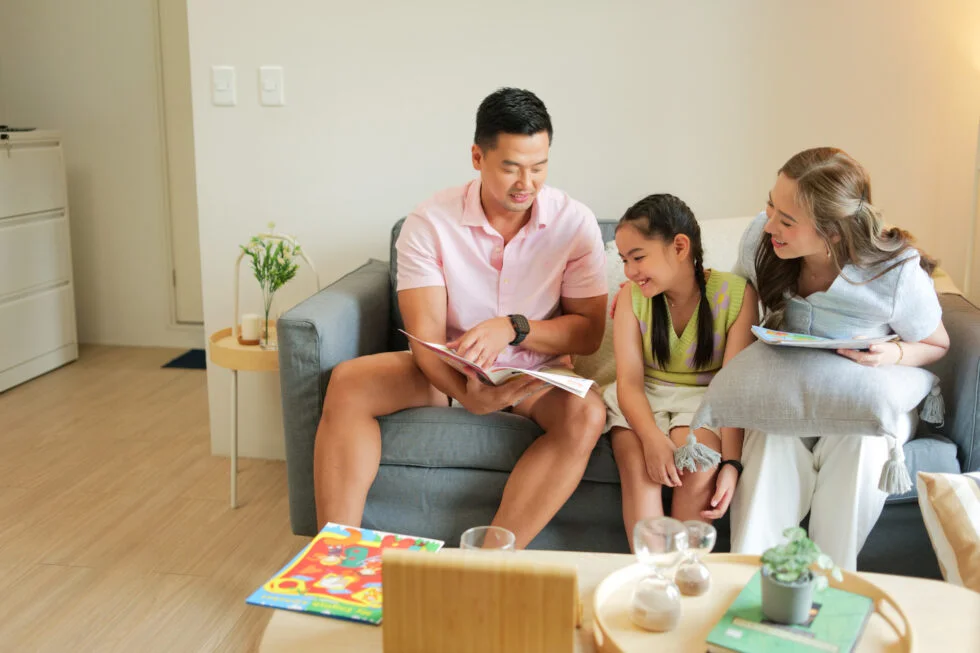
The first step in planning a comfortable home is understanding how you live. Every household has unique routines, preferences, and priorities. Families with young children may need open play areas, while professionals working remotely often benefit from dedicated home offices. Seniors may prioritize accessibility features, while frequent entertainers might prefer spacious dining and living areas.
Designing around your daily habits ensures every room serves a purpose rather than following trends that may not suit your lifestyle. Even digital services such as pmmvy soft demonstrate how organized planning simplifies everyday processes, reminding us that thoughtful systems improve both homes and daily life.
Create Functional Spaces
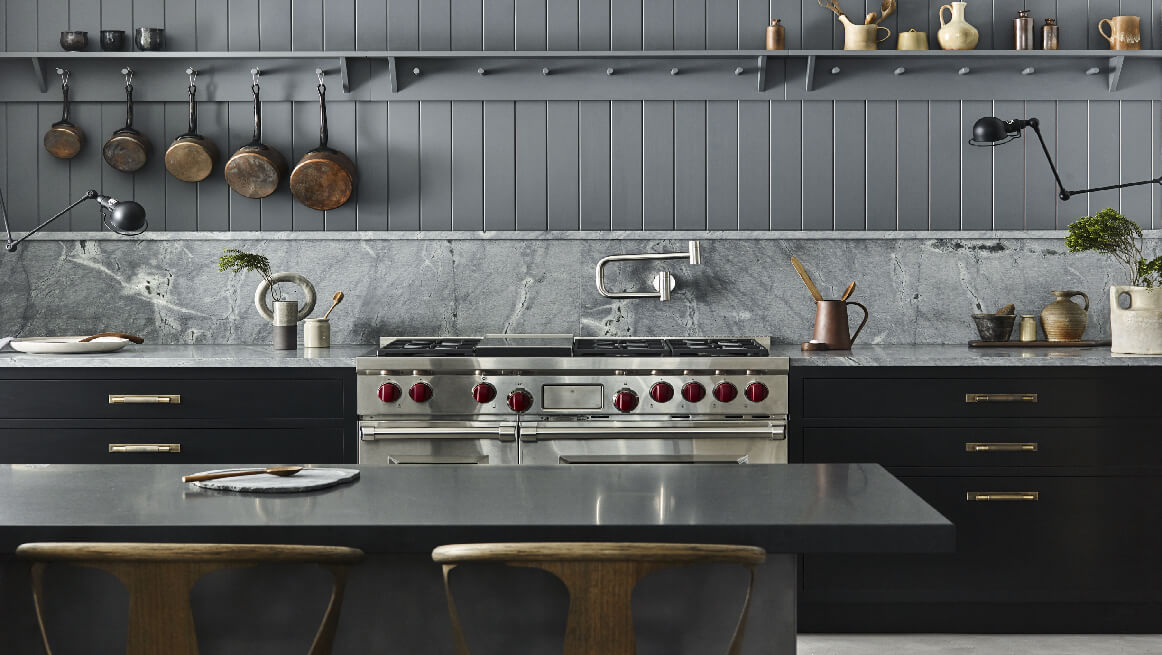
A well planned home balances beauty with practicality. Every square foot should contribute to comfort without creating clutter. Open floor plans remain popular because they encourage natural light and make homes feel larger, but clearly defined functional zones are equally important.
Consider creating spaces for relaxation, work, dining, storage, and hobbies. Built in storage solutions reduce visual clutter, while flexible furniture allows rooms to serve multiple purposes. A guest room, for example, can easily double as a study or fitness area when planned carefully.
Maximize Natural Light and Ventilation
Comfort extends beyond furniture and décor. Fresh air and natural sunlight significantly improve indoor living. Large windows, strategically placed openings, and proper ventilation reduce dependence on artificial lighting while creating healthier indoor environments.
Natural lighting also enhances mood, improves productivity, and highlights interior design elements. Cross ventilation helps maintain pleasant temperatures while improving indoor air quality throughout the year.
Many homeowners also use online resources such as digishakti portal ekyc to manage various services digitally, reflecting how modern convenience extends beyond the physical home into everyday administrative tasks.
Invest in Quality Materials
Home planning should prioritize durability over short term savings. High quality flooring, roofing, insulation, doors, and windows reduce maintenance costs while improving long term comfort.
Neutral color palettes combined with durable finishes create interiors that remain attractive even as design trends evolve. Choosing sustainable materials also benefits the environment while increasing property value.
Well insulated homes stay cooler during summer and warmer during winter, reducing energy consumption and providing year round comfort for occupants.
Plan Storage From the Beginning
Storage is often overlooked during home planning, leading to unnecessary clutter later. Built in wardrobes, kitchen cabinets, under stair storage, and multifunctional furniture maximize available space without compromising design.
Every room should include storage solutions appropriate for its purpose. Organized homes are easier to clean, less stressful to maintain, and more enjoyable to live in. Proper planning also allows future expansion if family needs change over time.
Similarly, people often monitor government services through platforms such as pm kisan status check 2026, showing how organized access to information simplifies routine responsibilities just as organized storage simplifies household management.
Focus on Outdoor Living
Comfortable homes extend beyond interior walls. Gardens, patios, balconies, and outdoor seating areas provide valuable spaces for relaxation, exercise, and family gatherings. Even small outdoor spaces can become peaceful retreats with thoughtful landscaping and functional furniture.
Adding greenery improves visual appeal while contributing to healthier surroundings. Shade trees, flowering plants, and native landscaping require less maintenance while creating inviting outdoor environments.
Plan for Future Needs
One of the smartest aspects of home planning is preparing for future lifestyle changes. Flexible room layouts, additional electrical outlets, smart home wiring, and accessible design features ensure your home remains practical for many years.
Technology continues to shape modern housing through home automation, security systems, energy management, and connected appliances. Planning for these upgrades during construction avoids expensive modifications later.
Homeowners also frequently use online platforms like https://www.bandhkamkamgar.org for information related to worker welfare and services, illustrating how digital accessibility increasingly complements modern home ownership and management.
Conclusion
Comfortable living begins long before furniture is arranged or decorations are added. It starts with thoughtful planning that considers lifestyle, functionality, sustainability, and future needs. Every decision, from room layout and storage to lighting and material selection, contributes to creating a home that supports daily life with ease and efficiency. Rather than chasing temporary design trends, homeowners who prioritize careful planning create spaces that remain comfortable, practical, and valuable for years to come. A thoughtfully planned home is not simply a place to live. It becomes a place where families can grow, relax, and build lasting memories.