A polished room rarely comes from money alone. It comes from judgment, restraint, and the nerve to leave a few things out. If your home feels busy, flat, or somehow expensive but still off, the problem usually is not the sofa or the paint. It is the way the space speaks as one whole. Style interior spaces well, and even ordinary rooms start carrying themselves differently.
You notice it the second you walk in. The air feels calmer. The furniture seems settled. Nothing begs for attention, yet everything earns a second look. That kind of elegance is not magic, and it is not reserved for glossy houses with museum-level budgets. It grows from choices that feel deliberate rather than decorative. A better lamp here, a cleaner sightline there, fewer objects doing more work.
I have seen small apartments feel grander than oversized homes simply because someone knew when to edit, when to soften, and when to let one bold decision carry the room. That is the real secret. Elegance is less about adding beauty and more about removing confusion. Once you understand that, your rooms stop trying so hard and start feeling right.
Start with the bones before you decorate
Elegant rooms do not begin with shopping bags. They begin with structure, which means your walls, sightlines, floor area, and furniture placement need to make sense before accessories get a vote. Most spaces look awkward because the layout asks your eye to zigzag in five directions at once. Calm starts earlier than people think.
Build a layout that lets the room breathe
A room feels refined when movement through it feels effortless. That is why crowding every wall with furniture almost always cheapens the effect, even when the pieces themselves are beautiful. Leave enough negative space for the room to exhale, and the best items suddenly look more expensive.
I learned this the hard way in a narrow living room where I kept trying to “finish” the space by adding more. An extra side chair, a larger coffee table, another console. The room never looked richer. It looked trapped. Once I removed two pieces and shifted the sofa away from the wall, the whole place settled down.
You should be able to cross a room without turning sideways, reaching over objects, or feeling like you are navigating obstacles. That sounds basic. It is not. A graceful layout protects visual flow, and visual flow is one of the least glamorous yet most powerful tools in elegant design.
Let scale do the heavy lifting
Bad scale can ruin a handsome room faster than ugly color ever will. Tiny art floating on a huge wall looks timid. A massive sectional in a modest room looks like it is eating the architecture. Elegance needs proportion, because proportion tells your eye that the room knows what it is doing.
Think of a dining area with a long table under a light fixture the size of a fruit bowl. The problem is not taste. The problem is mismatch. A room begins to feel confident when larger surfaces get enough visual weight, whether that comes from a bigger rug, taller drapery, or art that actually owns the wall.
This is where many people make a timid mistake. They buy slightly too small because it feels safer. It rarely is. In many rooms, going a bit bigger with the rug, the mirror, or the headboard creates the kind of authority that makes everything else fall into line.
Use color and texture to create quiet depth
Once the layout works, the room needs atmosphere. This is where elegance either blooms or collapses into blandness. A refined space is not just neutral, and it is not just expensive-looking. It carries depth through layers that play together without shouting over one another.
Choose a palette that feels intentional, not timid
A lot of people confuse elegance with beige surrender. That is a shame. Elegant rooms can be pale, moody, earthy, or crisp, but the palette has to feel chosen rather than accidental. The goal is harmony with enough contrast to keep the room awake.
A strong approach starts with one anchor tone and two supporting notes. For example, warm stone on the walls, walnut through the furniture, and muted black in smaller details can build far more character than six soft colors arguing politely. You do not need a rainbow. You need a mood.
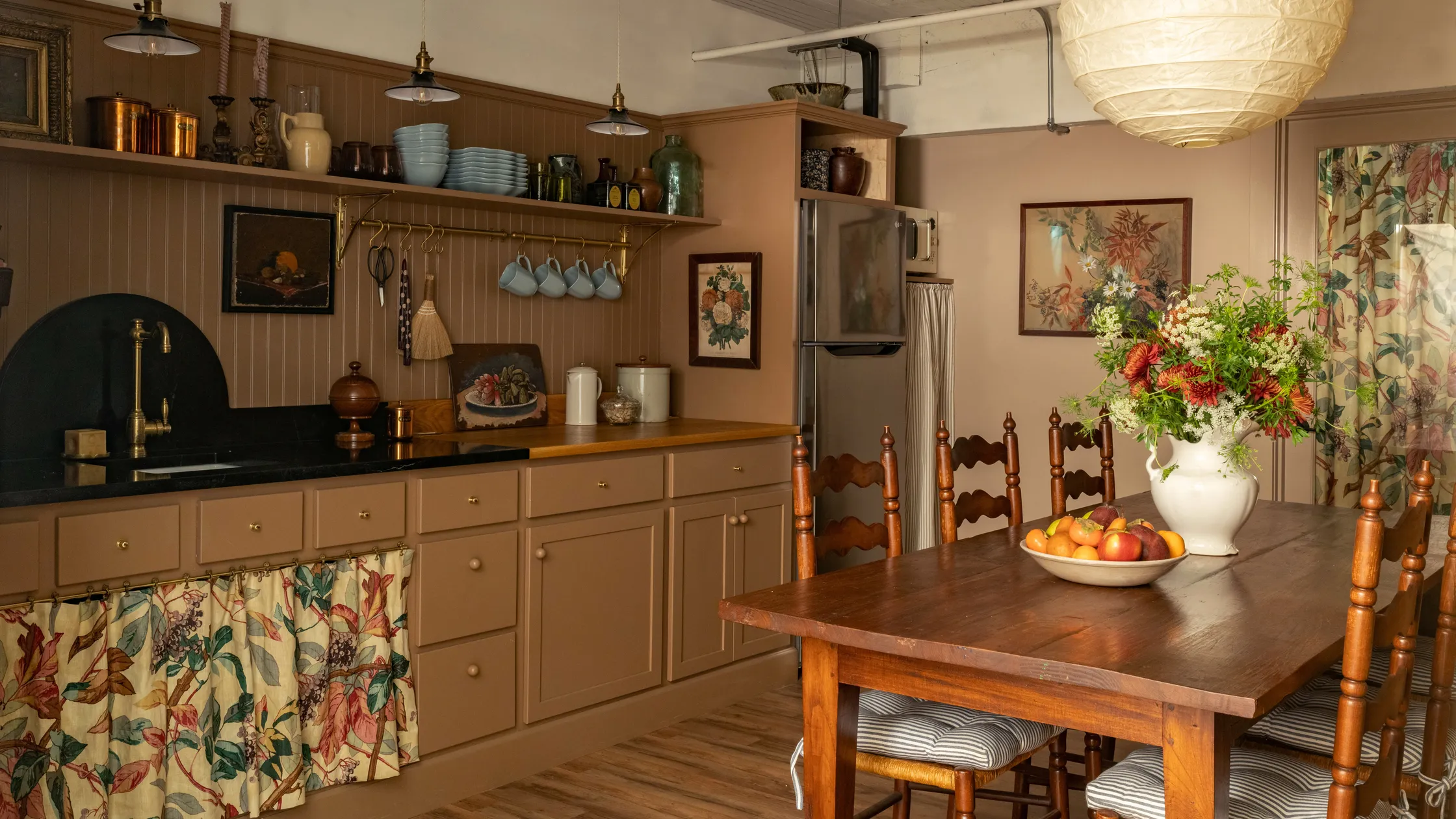
One of my favorite kitchens used olive-gray cabinetry, chalky white walls, and aged brass hardware. On paper, it sounded restrained. In person, it had backbone. That is the trick. Elegant color is less about being quiet and more about being coherent from one surface to the next.
Texture matters more than most people admit
Flat rooms are usually texture-starved. Even with a smart palette, a space falls dead when every surface reflects light the same way and every fabric feels equally smooth. You need contrast your hands can imagine before they even touch it.
Think linen against painted wood, matte plaster near polished stone, boucle beside old leather, a nubby wool rug grounding a slicker table finish. Those differences create visual richness without needing louder color or more objects. The room becomes interesting in a low voice, which is where elegance lives.
There is also an emotional side to texture that people forget. A room with balanced materials feels more human. It does not read like a showroom set assembled in one weekend. It reads like it grew over time, and that sense of quiet history makes a space feel grounded and believable.
Style interior spaces with pieces that deserve their place
Once the room has shape and mood, you can begin adding pieces that carry personality. This is the point where people often lose discipline. They buy decorative filler, copy a mood board too literally, or scatter trends around the room like confetti. Elegance hates clutter with ambition.
Mix statement pieces with restraint
Every elegant room needs a lead actor, but it does not need an entire cast fighting for applause. A dramatic marble table, a sculptural floor lamp, or an antique cabinet can anchor the room beautifully when the surrounding pieces know how to behave.
I once saw a small sitting room transformed by one oversized vintage mirror with a worn gilt frame. The rest of the room stayed almost severe: tailored seating, a pale rug, two simple lamps. That single expressive piece gave the room pulse. Add three more stars to that same space, and the charm would have disappeared.
This is where taste shows itself. You do not prove sophistication by filling every corner with “interesting” objects. You prove it by knowing which object gets the solo and which ones stay in support. Good editing is not cold. It is generous to the room.
Avoid the trap of buying the whole look at once
Rooms that mature well rarely come straight out of a cart. When everything arrives from one store, one season, or one trend cycle, the space often feels finished in the wrong way. Too complete. Too rehearsed. A bit suspicious, if I am honest.
Elegance grows stronger when some pieces bring age, some bring utility, and some bring softness. A modern sofa can sit beautifully with an old wooden stool. A crisp lamp can live beside a hand-thrown ceramic bowl. That little friction is what keeps a room from feeling staged.
If you want inspiration with a more editorial eye, browsing a curated design resource like PR Network’s interiors coverage can sharpen your sense of what feels collected rather than copied. The best rooms do not look purchased. They look chosen, tested, and kept for good reason.
Finish with lighting, art, and the details people feel first
The final layer is where elegance becomes personal. These decisions may seem smaller, yet they are often the difference between a room that looks decorated and a room that feels finished. Light, art, scent, and visible daily habits tell the truth about how a space is really being lived in.
Light the room like you care about faces and shadows
Overhead lighting alone can make a beautiful room feel like a tired office. Elegant spaces need layered light, because daylight changes, evenings soften, and no one looks charming under one hard ceiling fixture. The mood of a room depends on where light falls and where it does not.
Use at least three sources when possible: ambient light for general glow, task light for actual living, and accent light for mood. A shaded table lamp near a chair, a floor lamp washing a wall, and a dimmable ceiling fixture can completely change how a room behaves after sunset.
One unexpected truth: dimmer light often makes a room look more expensive because it allows shape, finish, and shadow to do their work. Brightness is not the same thing as clarity. The goal is not to flood the room. The goal is to let it flatter itself.
Art and daily objects should reveal a point of view
Art does not need to be famous, oversized, or costly to lift a room. It needs conviction. A modest photograph hung at the right scale beats generic wall filler every time. The same goes for books, ceramics, trays, and objects you touch every day.
I trust rooms more when they show a little life. A stack of dog-eared design books, a bowl that actually holds fruit, a hand towel that feels thick instead of decorative-only. Those details tell me someone lives here with standards, not just intentions. That is elegance in its most believable form.
Be selective, though. Not every surface needs a vignette, and not every shelf needs styling. Leave some areas plain enough to rest the eye. A room with taste knows when to speak and when to stay quiet. Most homes improve the moment they learn that difference.
Elegance lasts longer than trends
Elegant rooms age well because they are built on judgment, not panic-buying. Trends will keep spinning, stores will keep renaming the same chair every spring, and social feeds will keep pushing the idea that your home needs a fresh identity every month. It does not. What it needs is consistency, calm, and a few decisions made with real conviction. When you style interior spaces with that mindset, you stop decorating for approval and start shaping rooms that carry your life more beautifully.
That does not mean your home should feel serious or precious. Quite the opposite. A truly elegant room can handle a muddy dog, a late dinner, a child’s school bag on the bench, and a slightly crooked stack of books. It stays composed because the foundation is strong. That is what makes it useful as well as lovely.
So start where the room is fighting you most. Clear a pathway. Raise the curtain rod. Replace the too-small rug. Turn off the harsh overhead light and add one lamp with warmth. Then keep going, steadily, with taste instead of hurry. The next step is simple: choose one room, make three brave edits this week, and let your house show you what it has been asking for all along.
What is the best way to style interior spaces on a small budget?
Start by fixing layout, lighting, and scale before buying decor. Move furniture, remove clutter, hang curtains higher, and choose one strong focal piece. Budget rooms look elegant when decisions feel deliberate. Restraint beats random spending every single time, even in compact homes.
How do you make a room look elegant without making it feel cold?
Warmth comes from texture, layered lighting, and objects with memory. Add linen, wood, soft rugs, and art you actually care about. Keep the palette controlled, not sterile. Elegance feels cold only when every choice looks polished but emotionally empty or impersonal.
Which colors make interior spaces feel more elegant?
Elegant color schemes usually rely on harmony, depth, and contrast rather than loud novelty. Soft stone, olive, charcoal, warm white, tobacco, and muted navy work beautifully. The winning move is pairing tones that relate naturally, then adding one darker note for structure.
How much decor is too much in an elegant room?
You have crossed the line when the room feels explained instead of lived in. If every shelf is styled, every surface holds objects, and nothing can breathe, pull back. Elegant rooms edit aggressively. They leave enough silence for the strongest pieces to matter.
Why does a well-furnished room still feel awkward sometimes?
Furniture alone cannot save a room with bad flow, weak scale, or harsh lighting. Awkward rooms usually suffer from layout problems first. Check walking paths, rug size, art placement, and light sources. Once those work, the furniture finally gets a fair chance.
What kind of lighting makes a space feel more refined?
Layered lighting always wins. Use ceiling light for function, lamps for softness, and accent lighting for depth. Aim for warm bulbs and dimmable options when possible. Refined rooms flatter faces, calm edges, and create shadow instead of blasting every corner equally.
Should every room in the house match exactly?
No, and matching too hard often makes a home feel stiff. Rooms should relate through tone, materials, or mood, not copy each other like uniforms. Think family resemblance, not clones. Consistency matters, but personality from room to room keeps the house alive.
How do I choose art that makes my home look more sophisticated?
Choose art that feels specific, scaled well, and personally convincing. You do not need famous names or huge prices. You need work that holds attention without begging for it. Good art deepens a room’s point of view and makes everything nearby look sharper.