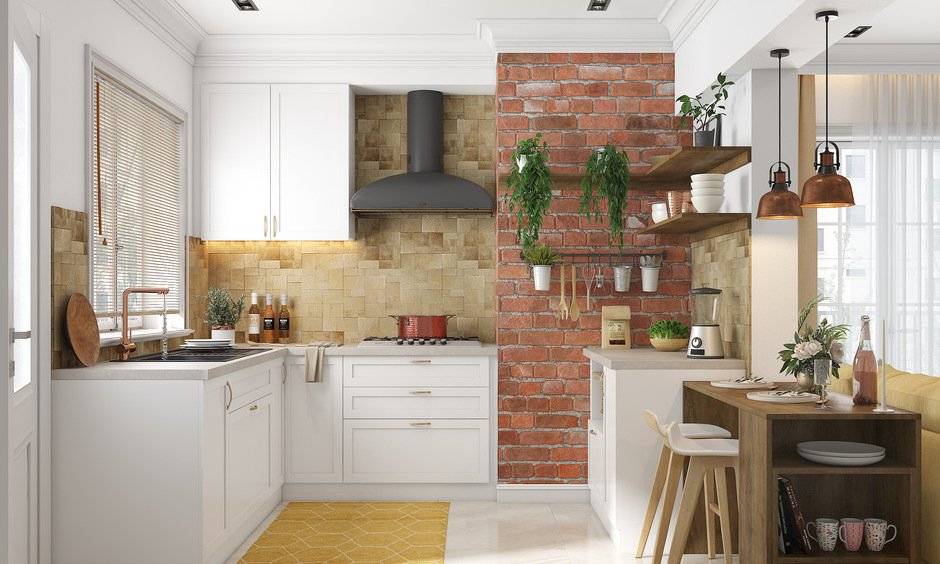
Bold truth: most rooms do not fail because they are too small, too dark, or too plain. They fail because too many people decorate before they decide how they want the space to feel. That is why style interior spaces well, and even an ordinary room starts holding itself differently. It looks calmer. It works harder. It feels like someone thoughtful lives there.
Elegance is often misunderstood as something expensive, fragile, or slightly smug. I do not buy that for a second. Real elegance is restraint with nerve. It is knowing when to stop, where to soften, and how to make a room feel finished without making it feel stiff. You can pull that off in a city apartment, a family home, or a rental with annoying flooring and zero architectural charm.
The good news is that elegant rooms do not come from one lucky shopping trip. They come from decisions that build on each other: shape, light, texture, proportion, and patience. If you want a home that feels polished but still lived in, this is where the shift happens. Not in chasing trends. In learning how to choose better, edit harder, and trust a room to breathe.
Start with the room’s mood before you buy a single thing
The fastest way to ruin a room is to treat it like a shopping list. You need a sofa, a rug, lamps, art, maybe a chair. Fine. But that order of thinking produces rooms that are furnished, not styled. Elegant rooms begin with mood first, then function, then objects. When you decide the emotional temperature of the room before anything else, your choices start lining up instead of fighting each other.
Build a visual personality from feeling, not from products
A room tells on you quickly. It reveals whether you chose things because they were right for the space or because they looked good under perfect store lighting. When you begin with feeling, your decisions get sharper. Do you want the room to feel quiet, grown-up, warm, airy, moody, or crisp? Pick two, maybe three. More than that and you are usually lying to yourself.
That mood needs a real-life anchor. A reading corner that feels like a late Sunday morning has very different needs than a dining room meant for loud dinners and long conversations. One asks for softness, layered light, and fabrics that invite you to stay. The other needs shape, contrast, and a little swagger. Same house, different emotional job.
I have seen people waste months buying random “nice” pieces because they skipped this step. Then one day they sit in the room and realize none of it belongs together. The fix is rarely buying more. It is defining the feeling they should have started with. Once you know the mood, the room starts rejecting bad choices for you.
Use restraint to create presence instead of clutter
Elegant spaces have presence, but they are rarely crowded. That is the part people miss. They think a polished room needs more accessories, more styling, more layers piled on top of layers. Usually it needs less. A room should not look like it is auditioning for attention. It should feel settled in its own skin.
Restraint does not mean boring. It means every object gets room to matter. A sculptural lamp looks expensive when it has breathing space around it. A vintage bowl on a console carries more weight than six decorative items fighting for relevance. Even books look better when they are edited instead of arranged like a shop display trying too hard.
This is where elegant interior spaces separate themselves from pretty but forgettable ones. They know when to stop. The room holds a little tension, a little emptiness, and that is a good thing. Empty space is not unfinished. It is what lets the finished parts speak.
Let proportion do the heavy lifting
Most people notice color first, but proportion is what makes a room feel right in your body. You walk in and either relax or feel mildly irritated without knowing why. That reaction often has nothing to do with style trends and everything to do with scale. When the size of furniture, art, lighting, and spacing work together, elegance shows up almost by accident.
Choose furniture that fits the room, not your fantasy
A huge sectional in a modest room does not look luxurious. It looks like the room lost the argument. The same goes for tiny furniture floating around a large space like nervous guests at a party. Elegant styling depends on proportion, and proportion depends on honesty. Measure the room. Measure the pathways. Measure again. Wishful thinking is not a design strategy.
A small living room can look richer with a well-shaped apartment sofa, a pair of slimmer chairs, and a coffee table that leaves enough room to move. That setup often beats one giant piece swallowing the whole floor plan. The room feels lighter, the sightlines stay open, and people stop brushing past furniture like they are navigating airport security.
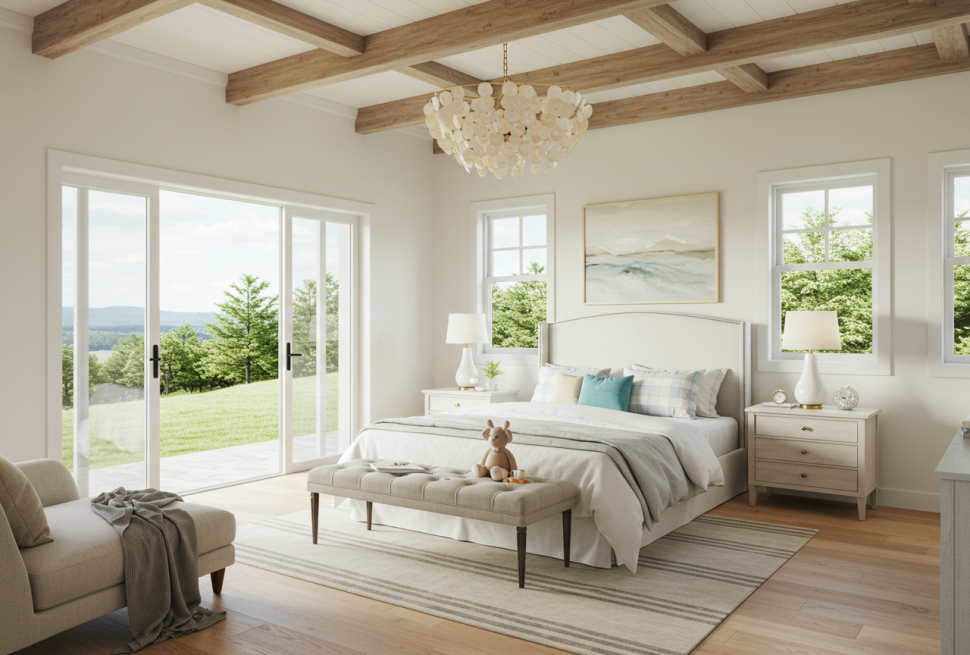
Bedrooms deserve the same discipline. A king bed in a room that barely clears the nightstands is not a flex. It is a compromise that the room never forgives. Better to choose a bed with strong lines, a confident headboard, and side tables that actually fit than to force scale where it does not belong. Good proportion always reads smarter than oversized ambition.
Balance shapes so the room feels settled
Rooms become elegant when shapes start talking to each other instead of repeating themselves. If every piece is square, boxy, and blunt, the room can feel flat even with lovely materials. If everything curves and softens, it turns vague. You need contrast. A rounded chair against a clean-lined sofa. A long rectangular table under a softer pendant. A sharp mirror above a more textured console.
This balance matters more than people think because shape affects energy. Straight lines bring structure. Curves relax a space and keep it from becoming severe. Together, they create rhythm. That rhythm is what makes a room feel composed rather than staged. You are not just filling corners. You are managing movement with objects.
A classic example is the entryway. Put a narrow rectangular console against the wall, then hang a round mirror above it, add a lamp with a ceramic base, and place one organic branch in a vase. Suddenly the whole setup feels finished. Nothing fancy happened there. Shape did the heavy lifting. That is why proportion and balance deserve more respect than they get.
Give every room one piece with real authority
Not every item needs to whisper. In fact, one of the smartest ways to style interior spaces is to let a single piece take command. That could be a generous headboard in a bedroom, a beautiful dining table, an oversized piece of art, or a dramatic pendant that anchors the room without screaming. One leader is enough.
The mistake is choosing five so-called statement pieces and asking them to share power. They will not. They will bicker in silence, and the room will feel restless. A confident room knows where the eye should land first. Once that point is established, the supporting pieces can calm down and do their jobs.
Think of it like getting dressed. If the coat is strong, the rest of the outfit can ease off. Same principle. When one piece gives the room authority, elegance feels natural because not everything is competing. The space settles. Your eye settles too.
Layer texture like a grown-up, not like a catalog
Texture is what keeps an elegant room from feeling cold. It is also what saves a neutral palette from becoming dull. Yet texture only works when it feels deliberate. Throwing in a knitted blanket, a boucle chair, and a jute rug does not automatically make a room interesting. Texture needs range, contrast, and timing.
Mix materials that age well and touch well
An elegant room should look good, yes, but it should also feel good to live in. That means choosing materials with some honesty to them. Linen that wrinkles a bit. Wood that shows grain. Stone with movement. Metal that is allowed to patina. These materials do not need perfection to feel refined. In fact, perfection often makes a room feel oddly dead.
There is a reason so many memorable homes use a mix of hard and soft materials. A walnut table next to upholstered chairs feels grounded. A plaster wall behind a brass lamp adds quiet drama. A cotton curtain near a leather bench gives the eye a break. Texture is not decoration after the fact. It is how a room gains depth before the accessories even show up.
One of the easiest ways to cheapen a space is to buy everything in the same finish family. Matching wood, matching metal, matching fabric weight, matching sheen. It reads flat. Better to mix a matte surface with something that reflects a little light, then soften it with fabric that has body. Rooms feel richer when the materials do not all arrive saying the same thing.
Use textiles to warm the room without making it sleepy
Softness matters, but softness without structure can make a room feel lazy. That is why elegant homes tend to use textiles with intention. Curtains should frame the room, not sag like damp paper. Rugs should ground furniture, not float like apologetic afterthoughts. Cushions should add shape and contrast, not multiply until nobody knows where to sit.
The trick is to layer fabrics with different jobs. A tighter weave on the sofa keeps the main piece crisp. A softer throw on the arm adds ease. A rug with some texture underfoot gives warmth and quiet. Then maybe one patterned cushion or upholstered ottoman introduces movement. That mix feels considered because each textile adds something different.
Dining rooms are a good test of discipline here. Too much softness and the room loses edge. Too little and it feels severe. Slip in upholstered seats, maybe a runner with body, and curtains that soften sound without turning the room into a lounge. Elegant spaces know how to warm up without falling asleep.
Let imperfections create soul
A room without any roughness can feel strangely impersonal. That is one reason some expensive interiors still feel forgettable. They are polished to the point of having no pulse. Elegance does not need spotless sameness. It needs soul, and soul usually arrives through slight imperfection.
A hand-thrown vase with a wobble, an old wooden stool with worn corners, a vintage rug that has faded in uneven places—these things make a room feel inhabited by someone with taste, not assembled by a nervous algorithm. They also keep the space from becoming precious, which is the fastest route to discomfort. Nobody relaxes in a room that feels scared of being lived in.
This is also where personal memory earns its place. A chair inherited from your grandparents can sit beautifully beside newer pieces if the scale and tone are right. A framed sketch from a trip often carries more weight than generic wall art bought to fill a gap. Perfection is overrated. Character lasts longer.
Light the room like you actually want to live there
Bad lighting can flatten the best room in the house. I do not care how much you spent on the furniture. If the light is harsh, cold, or stuck at one level, the room will never feel elegant. Lighting is not decoration taped on at the end. It is atmosphere, function, and mood control all at once.
Stop relying on one overhead light
A single ceiling fixture rarely does a room any favors. It casts light everywhere and creates mood nowhere. Elegant spaces use layers of light because people do not live at one brightness level all day. Morning needs clarity. Evening wants softness. Dinner needs warmth. Reading demands focus. One source cannot handle all that gracefully.
Table lamps bring intimacy because they place light where life actually happens. Floor lamps help carve out corners and make a room feel inhabited after dark. Wall lights can add structure and draw the eye upward. Even a modest room starts feeling richer once light appears at different heights. That vertical layering changes everything.
I learned this the hard way in a rental living room with one brutal overhead fixture that made everyone look tired. Two table lamps, one floor lamp, and warmer bulbs fixed more than any decorative object I added. The room finally felt like it belonged to actual humans. Funny how often the problem is not style. It is lighting.
Use shadow as part of the design
People chase brightness as if more light automatically means better design. It does not. Elegant rooms need shadow. They need areas that glow and areas that retreat. That contrast gives a room shape at night. Without it, everything sits exposed and slightly flat, like a department store at closing time.
A lamp placed near a textured wall can create depth without any extra decoration. A shaded pendant over a dining table keeps the light where you want it and lets the rest of the room soften into the background. Candles on a mantel or sideboard are not just romantic fluff either. They add flicker, movement, and a kind of gentle unpredictability electric light rarely manages.
This is one of those small design truths people underestimate. A room should not reveal itself all at once. It should unfold. Shadow helps it do that. A little mystery never hurt a room. Usually it saves one.
Finish with details that make the room feel human
Once the big elements are in place, the final layer is what makes the room feel like yours. This is where many people panic and overstyle. They add trays, stacks, objects, candles, bowls, and decorative nonsense until every surface looks busy. Elegance asks for a steadier hand. Finish the room with things that carry use, memory, or real visual weight.
Books matter because they reveal a mind. Flowers matter because they change the room’s energy in one minute flat. A ceramic bowl by the door matters because it solves a small daily problem while looking good. Art matters because blank walls can make a finished room feel oddly temporary. None of these things need to be rare or expensive. They just need to feel chosen.
This is also the right moment to sharpen the room with one smart outside perspective. I often point people toward trusted design and media insight when they want better context around visual storytelling and taste-making, because style improves when you stop decorating blindly. The final details should not be filler. They should make the room feel lived in, awake, and unmistakably yours.
Elegant rooms are edited, not overdone
Here is the part nobody loves hearing: elegant homes are rarely created by adding more. They are created by choosing better and cutting harder. That means removing the chair that is almost right, swapping the rug that shrinks the room, changing the lamp that throws the wrong light, and admitting when a trendy purchase never belonged there. Style interior spaces well, and you are really learning the art of refusal. You are saying no to clutter, no to panic buying, and no to rooms that perform instead of live.
That takes nerve. It also takes patience, because polished spaces usually come together in layers rather than one dramatic weekend. You notice what the room still needs after you have lived in it a while. You feel where the balance is off. You see where the room wants softness, contrast, height, or calm. That is not indecision. That is taste getting better.
If you want your home to feel elegant, start by editing one room this week. Remove what is crowding it, fix the lighting, question the scale, and choose one material that adds depth. Then keep going. The best homes are not the ones with the biggest budgets. They are the ones where every choice feels awake, personal, and quietly confident.
What are the best ways to style interior spaces with elegance on a budget?
Start with editing, not shopping. Remove clutter, improve lighting, and rearrange furniture before buying anything new. Add one strong piece, one quality textile, and one thoughtful lamp. Elegant rooms come from proportion, restraint, and texture, not from spending wildly on everything.
How do you make a small room look elegant instead of cramped?
Choose furniture with the right scale, keep walkways clear, and let a few pieces breathe. Use layered lighting, taller curtains, and a rug large enough to ground the room. Small spaces look elegant when they feel intentional, calm, and visually balanced.
Which colors make interior spaces feel more elegant?
Soft whites, warm taupes, muted greens, charcoal, deep navy, and earthy browns often create a refined mood. The trick is not the color alone. Balance tone, texture, and contrast so the room feels settled rather than flat, cold, or overly coordinated.
How many decorative items should you keep in an elegant room?
Keep fewer than you think. Choose pieces with shape, meaning, or practical use, then stop before every surface fills up. A bowl, books, art, and one natural element often do more for elegance than a crowd of trendy accessories ever will.
What furniture mistakes make a room look less elegant?
Oversized sofas, tiny rugs, harsh lighting, mismatched scales, and too many statement pieces can ruin a room fast. The space starts feeling noisy or awkward. Elegant styling depends on proportion, breathing room, and knowing when one strong piece is already enough.
Can you mix modern and classic styles and still look elegant?
Yes, and the mix often looks better than sticking to one style too rigidly. A classic table with modern lighting or a sleek sofa beside vintage art creates tension in a good way. Elegance usually lives in contrast, not in strict matching.
What lighting works best for elegant interior design?
Layered lighting wins every time. Use overhead light for function, then add table lamps, floor lamps, and wall lights for warmth and depth. Warm bulbs help too. A room feels elegant at night when light sits at different heights and shadows shape mood.
How do you keep elegant rooms from feeling cold or formal?
Bring in texture, softer textiles, personal objects, and materials that age well. Add books, natural branches, worn wood, or handmade ceramics. Formal rooms turn cold when they are too polished. Real warmth comes from contrast, memory, and a little imperfection.