A doorway can make two rooms feel connected, or it can make the whole house feel chopped into pieces. Interior Archway Construction often starts with that small frustration: the dining room feels closed off, the hallway feels narrow, or the living room stops short for no good reason. A well-built arch can soften that break without turning your home into one giant echo chamber.
American homes carry all kinds of framing stories behind the drywall. A 1950s ranch in Ohio may hide plaster, old headers, and stubborn trim. A newer Texas home may have wider spans, engineered lumber, and cleaner framing, but the same rule still applies: you need to know what the wall is doing before you change how it looks. For homeowners planning a smarter interior update, home remodeling guidance can help connect design ideas with the kind of planning that keeps projects grounded.
The goal is not to cut a pretty curve and hope the house forgives you. The goal is to shape a stronger, calmer connection between rooms.
Interior Archway Construction Planning That Protects the House First
A good arch begins before the saw comes out. The framing, wiring, ductwork, and age of the house all decide whether the job feels clean or turns into a repair bill with trim nailed over regret. The International Code Council notes that wall construction rules focus on structural integrity and how loads move through the house, which is exactly why this project needs more respect than a cosmetic weekend upgrade.
Reading the Wall Before You Cut
A wall has a memory, even when it looks plain. It may carry roof weight, hide return-air paths, or hold old electrical runs that previous owners never labeled. A stud finder helps, but it does not tell the whole story. You need attic views, basement clues, and a plain look at how joists run above the opening.
Many homeowners make the same early mistake. They treat the drywall surface as the truth. Then the first cut shows a pipe, a doubled stud, or a header that does more work than anyone expected. That moment is not dramatic on television, but it is expensive in real life.
A safe plan starts with small inspection openings in hidden areas. A contractor may cut near the top of the wall, check framing direction, and trace wires before marking the final arch. That small patience protects the shape you want and the house you still need to live in.
When Load-Bearing Wall Removal Changes the Job
Load-bearing wall removal is not the same project as widening a simple partition. Once a wall carries weight, the arch must work with a header, posts, and load paths that transfer force down to the foundation. The curve is the part you see. The hidden structure is the part that keeps the ceiling quiet.
A common example shows up in older Cape Cod homes across the Northeast. The wall between a small kitchen and dining room may support ceiling joists above. Homeowners picture a graceful arch, but the builder sees a beam, temporary support walls, and a permit. Both visions can be right, but only one keeps the house honest.
The counterintuitive part is that a smaller arch may cost more than a wider square opening when the structure gets tricky. Curves need careful framing, clean drywall work, and trim that follows the shape. Saving a foot of width does not always save money when the wall is carrying weight.
Shaping the Arch So the Rooms Share Air, Not Noise
Once the structure is understood, the design choice becomes more personal. An arch should improve movement between rooms without making every sound, smell, and sightline run wild through the house. Open flow between rooms works best when the opening feels intentional, not like someone removed a door and called it design.
Choosing an Arch Profile That Fits the House
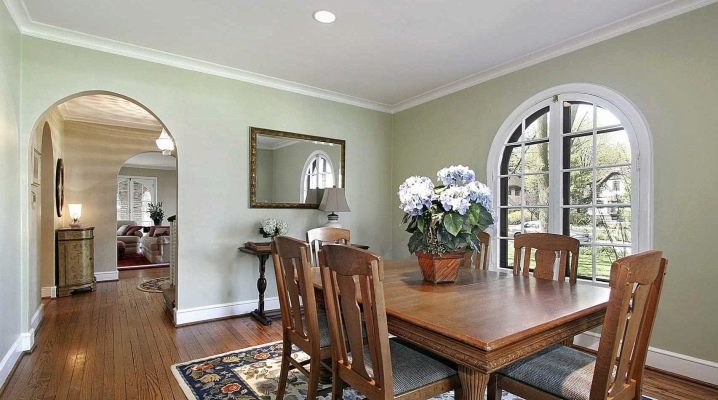
The arch profile needs to match the bones of the home. A soft Roman arch can feel natural in a Spanish-style house, a bungalow, or a home with rounded plaster details. A flatter segmental arch often works better in ranch homes, Colonials, and newer suburban layouts where full curves may look too theatrical.
Scale matters more than most people expect. A tall narrow arch can look like a tunnel. A wide low arch can feel heavy unless the trim, ceiling height, and nearby windows balance it. The best test is simple: tape the outline on the wall and live with it for a few days. Your eye will catch awkward proportions faster than a drawing will.
A strong room opening remodel also respects what happens on both sides. The living room side may need casing that matches baseboards, while the kitchen side may need a tougher finish near traffic and spills. One opening can serve two rooms, but it still has to belong to both.
How Open Flow Between Rooms Can Still Feel Calm
Open flow between rooms does not mean every room loses its job. A dining room can feel connected to the living room and still hold its own mood. The arch should invite movement while keeping enough boundary for furniture, lighting, and conversation to make sense.
This is where many open-plan updates go wrong. They remove too much wall, then spend years trying to recreate boundaries with rugs, sofas, plants, and oversized pendants. An arch solves that problem with restraint. It opens the view while leaving the house some rhythm.
A practical example is a hallway-to-living-room arch in a Phoenix ranch. The arch can bring light into the hall without exposing the whole room from the front door. That small bit of privacy is not old-fashioned. It is comfort with better manners.
Building the Opening With Clean Framing, Drywall, and Trim
The beauty of an arch depends on the parts that disappear. Framing gives the curve its strength, drywall gives it smoothness, and trim decides whether the work looks original or patched in. A sloppy curve will catch your eye every morning, even if the paint color is perfect.
Arched Doorway Framing That Avoids the Wavy Look
Arched doorway framing needs a firm layout. Builders often create matching plywood templates, attach them to the opening, and use short blocking between them to form the curve. Flexible drywall or scored drywall can then follow the shape without fighting it at every inch.
A wavy arch usually comes from rushing the template or trusting the eye instead of a measured radius. Once drywall compound goes on, every dip becomes harder to hide. Light from a nearby window makes the problem worse because side light exposes every bump.
Arched doorway framing also needs enough depth for trim or a clean drywall return. Thin, sharp edges may look fine on day one, but they chip fast in busy homes with kids, pets, laundry baskets, and moving boxes. A slightly thicker return often feels more finished and survives daily life better.
Finishing Details That Make the Opening Look Original
Trim decides whether the arch feels built into the house or added after a weekend sale at the home center. In many American homes, matching the baseboard profile matters more than matching the exact casing from another room. The eye reads continuity at floor level first.
Paint sheen also changes the result. A satin or eggshell wall finish may hide small flaws better than glossier paint, while semi-gloss trim gives the edge enough definition. The quiet trick is to sand between coats and caulk only where movement is expected. Too much caulk can make the curve look swollen.
One unexpected choice can lift the whole project: keep nearby wall corners square. A curved opening beside rounded corners can feel soft to the point of mushy. Contrast gives the arch presence, and presence is what makes it feel designed rather than decorative.
Budget, Permits, and Living Through the Mess
The build phase touches more than the wall. It affects dust control, room access, flooring protection, permits, inspections, and sometimes lead-safe work practices in older homes. The EPA says paid contractors who disturb paint in pre-1978 housing generally need certification under lead-safe renovation rules, so age of the home is not a small detail.
Why a Room Opening Remodel Needs a Work Plan
A room opening remodel should begin with a written sequence. Inspection, layout, temporary protection, demolition, framing, electrical rerouting, drywall, trim, paint, and cleanup all need room on the schedule. Skipping the order creates the classic remodel problem: one trade finishes, then another trade cuts back into the fresh work.
Dust control deserves its own plan. Plastic sheeting, floor runners, zip walls, and a fan strategy can make the difference between one messy room and a whole-house cleanup. Drywall dust travels with no respect for closed doors.
A realistic budget also includes repair zones beyond the arch. Flooring may need patching where wall plates were removed. Baseboards may need extension or replacement. Paint may need to run corner to corner because a small touch-up in the center of a wall often looks worse than the original flaw.
Smart Safety Checks Before the First Cut
Safety checks do not slow the project; they keep it from becoming a story nobody wants to tell. Turn off power to nearby circuits, verify with a tester, and inspect for plumbing before cutting. In homes with textured coatings, old paint, or unknown wall materials, testing comes before sanding or demolition.
Permits vary by city and county, but structural changes often require review. A homeowner in Denver, Atlanta, or San Diego may face different paperwork, yet the reason stays the same. The local building office wants proof that the altered wall still carries loads safely.
Load-bearing wall removal deserves a licensed pro, not a brave guess. The same goes for moving electrical, changing HVAC returns, or dealing with lead risk. An arch should make the home feel easier to live in, not leave hidden problems behind fresh paint.
Conclusion
A strong archway changes more than the view from one room to another. It changes how the house breathes, how people move, and how separate spaces share light without losing their purpose. That is why this project rewards patience more than speed.
Interior Archway Construction works best when design and structure move together. The curve should fit the home’s age, the framing should respect the load, and the finish should look like it was always meant to be there. A rushed opening can feel thin and temporary. A planned one can make an ordinary floor plan feel warmer for years.
Start with the wall, not the wish. Check structure, plan the shape, protect the rooms, and bring in the right help where safety demands it. The smartest next step is simple: walk both sides of the wall, mark the opening with tape, and decide whether the house agrees with the idea before anyone reaches for a saw.
Frequently Asked Questions
How much does an interior archway between rooms usually cost?
Costs depend on wall structure, arch size, finish level, and local labor rates. A non-load-bearing opening costs far less than one needing a beam or electrical changes. The safest budget includes framing, drywall, trim, paint, cleanup, and possible permit fees.
Can I build an archway in a load-bearing wall?
Yes, but it needs proper structural support. A contractor or structural engineer should confirm the load path, header size, and post placement before work begins. Guessing on a load-bearing wall can lead to ceiling cracks, sagging, and unsafe framing.
What is the best arch shape for a modern home?
A shallow segmental arch often fits modern homes better than a deep rounded arch. It gives softness without making the opening feel old-fashioned. Clean drywall returns, simple trim, and balanced proportions matter more than choosing the most dramatic curve.
Do I need a permit to create an archway between rooms?
A permit may be needed when the project changes structure, electrical wiring, plumbing, or mechanical systems. Rules vary by local building department. Cosmetic trim work usually faces fewer requirements, but cutting into a wall should always start with a local permit check.
How wide should an archway be between a living room and dining room?
The best width depends on ceiling height, wall length, furniture placement, and traffic flow. Many homes feel better with a wider opening that still leaves enough wall for outlets, art, and furniture. Tape the outline first so the proportion feels right.
Can an archway make a small room feel bigger?
Yes, an archway can make a small room feel larger by borrowing light and sightlines from the next space. The room still needs clear furniture placement, good lighting, and wall space. Too large an opening can remove the cozy feel completely.
What materials are used to frame an arched doorway?
Most arched doorways use dimensional lumber, plywood templates, blocking, drywall, joint compound, and trim. Flexible drywall or carefully cut drywall helps follow the curve. The finish depends on whether you want painted casing, a drywall return, or custom millwork.
Is an archway better than removing the whole wall?
An archway is often better when you want connection without losing room identity. Full wall removal creates more openness, but it can also bring noise, fewer furniture walls, and higher structural cost. An arch gives the home a softer middle ground.