A well-styled room can change your mood before you even sit down. You walk in, your shoulders drop, and suddenly the day feels less loud. That is the quiet power of style interior spaces with real thought behind them. It is not about chasing expensive taste or copying a showroom that looks pretty but feels dead on arrival. It is about building rooms that hold your life well and still look sharp doing it.
Most people get stuck because they think elegance means fragile furniture, boring colors, or a house where nobody can put a coffee cup down without guilt. I disagree. True elegance feels lived in, not staged. It has rhythm, restraint, and a point of view. It knows when to whisper and when to show off a little. If your home feels cluttered, flat, or oddly unfinished, the answer is rarely “buy more stuff.” It is usually better editing, smarter scale, and stronger decisions. The good news is that elegant design is learnable. You do not need a mansion, a designer budget, or saint-level patience. You need a clearer eye, a steadier hand, and the nerve to stop decorating by accident.
Start With Structure, Not Stuff
Elegant rooms do not begin with cushions, candles, or frantic late-night shopping. They begin with structure. Before you pick one pretty object, you need to understand how the room carries weight, light, movement, and attention. That sounds serious because it is. A room with good bones can survive simple furniture. A room with weak structure will look unsettled no matter how many trendy pieces you throw into it. I once saw a tiny apartment in Lahore look richer than a sprawling villa simply because the owner respected proportion, kept the sightlines clean, and let each area breathe. That is not magic. That is discipline.
Let the Room Tell You Where to Look
Every elegant room has a visual anchor. Your eye lands somewhere first, and that first impression sets the tone for everything else. It might be a fireplace, a long window, a carved headboard, or even a bold piece of art. Without that anchor, the room feels like a crowd of strangers talking at once.
Strong anchors stop you from scattering attention across every wall. When people panic about a room feeling empty, they often spread small décor items everywhere and make the problem worse. A single defined focal point calms the space. It tells the room where its center of gravity lives.
This is where many homes lose elegance. They try to make every corner a star. Don’t. Choose one main statement, support it, and let the rest play their part. A room does not need ten heroes. One is plenty.
Work With Scale Before You Add Personality
Scale is the part people skip because it is less fun than shopping, yet it decides whether a room feels polished or awkward. A rug that floats in the middle like a lost island, a coffee table too small to matter, curtains hung timidly halfway up the wall—these are the little mistakes that drain style fast.
Good scale gives a room confidence. It makes furniture feel like it belongs there instead of visiting. Hang curtains closer to the ceiling, not just above the window. Pick lighting that holds its own. Let your sofa speak with some presence. Tiny pieces in a normal room almost always look apologetic.
I have watched people spend real money on quality furniture and still end up disappointed because the proportions were off. The room was not ugly. It was unsure. Elegance hates hesitation. Measure twice, then choose pieces that look intentional from the doorway.
Build Comfort That Still Looks Sharp
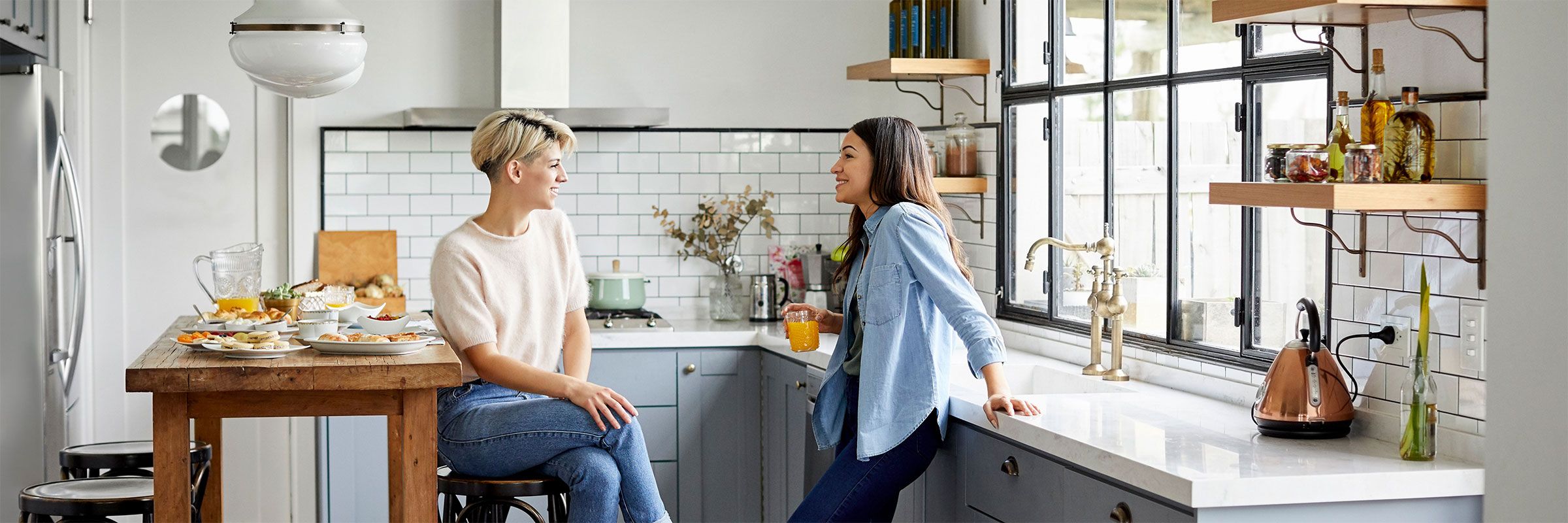
Once the structure is right, the next job is comfort. Not sloppy comfort. Not oversized chaos disguised as coziness. I mean the kind of comfort that invites people in without making the room look half asleep. Elegant interiors earn trust because they feel human. You can sit, read, talk, and live there. That balance matters more than perfection. One of the easiest ways to build that balance is to study homes that pair beauty with ease, like the design ideas shared through thoughtful home style inspiration. A room should not perform for you. It should support you.
Choose Materials That Age With Grace
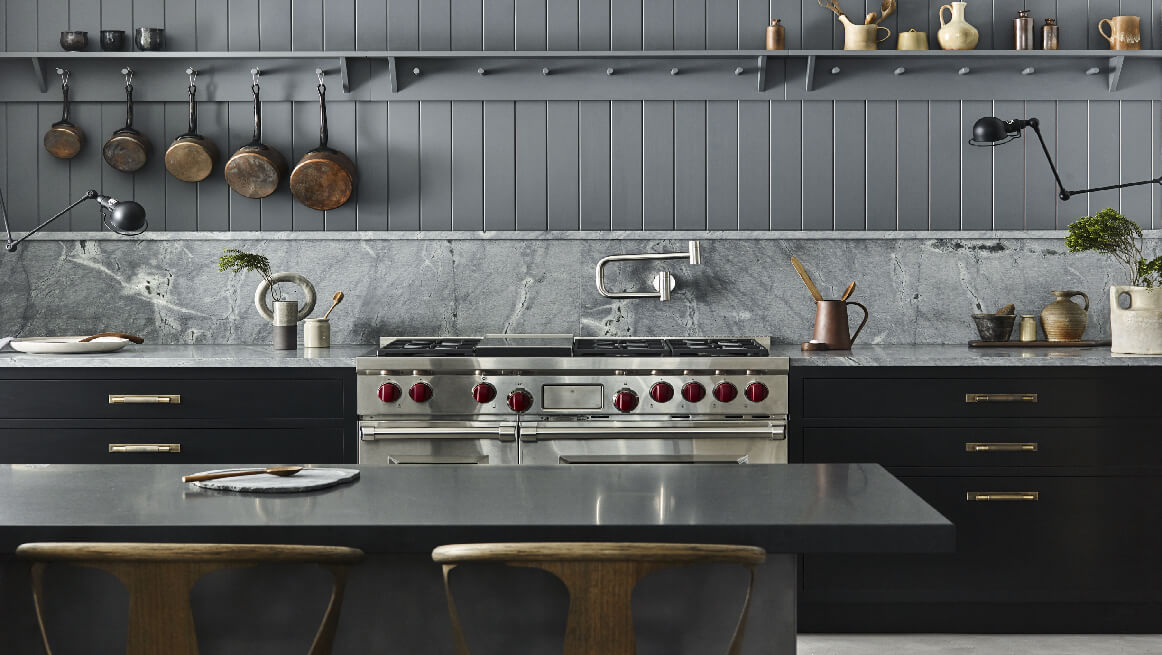
Elegant spaces are rarely about perfection on day one. They get better with time. Wood gains character. Linen softens. Brass dulls in the right way. Stone picks up quiet signs of use. These materials hold life without looking worn out too soon, and that makes them far more convincing than flashy finishes that beg for attention.
This is why I tend to distrust rooms that are too glossy from head to toe. They can feel cold, even when the furniture is expensive. You do not need every surface to sparkle. You need contrast. A matte wall near a textured chair. A polished table next to a woven runner. A smooth vase on rough wood.
The smartest homes understand aging as part of beauty. Scratches on a dining table from long meals often say more about warmth than a flawless surface ever could. A little patina gives a room memory. That matters.
Texture Does More Than Color Ever Will
People rush toward color because it feels like the obvious fix, but texture often does the real heavy lifting. A room with layered texture can stay calm in color and still feel rich. That is one of the oldest tricks in elegant design, and it still works because it speaks to the senses before the brain starts naming things.
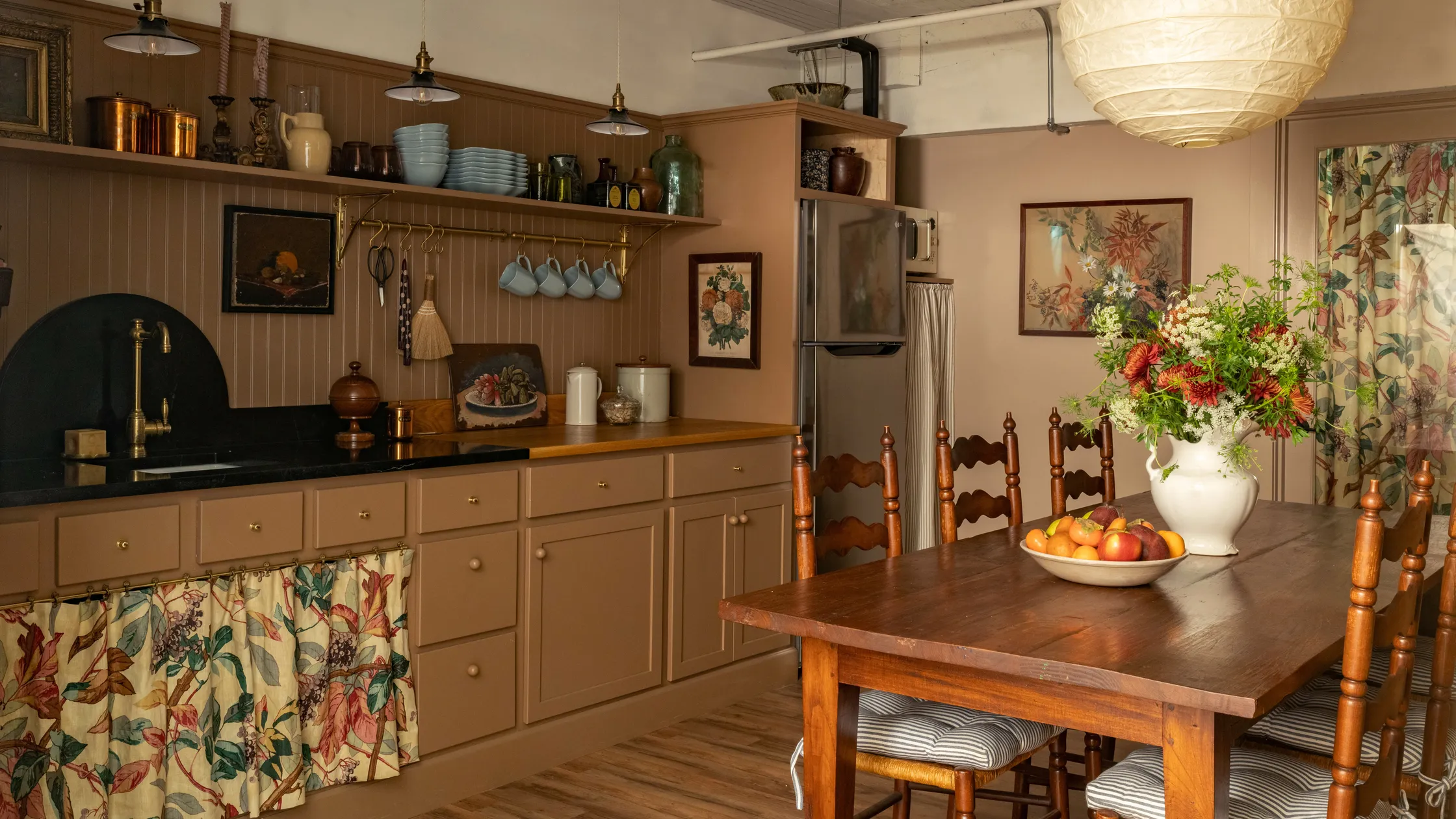
Think about how a nubby throw changes a plain chair, or how a ribbed lamp base wakes up a quiet side table. Even a simple cotton curtain can look expensive if it falls well and catches daylight with softness. Texture gives rooms depth without noise.
This is also where interior elegance becomes believable rather than theatrical. If you want a room to feel refined, stop relying on color alone to create life. Bring in boucle, oak, washed linen, ceramic, cane, marble, jute. Mix them with care. That is where the soul starts to show.
Style Interior Spaces With Light and Restraint
You cannot fake elegance in bad lighting. You also cannot buy it by filling every blank patch with décor. This is the section many people resist because restraint feels like less, and less can be scary when you paid for the room and want it to look “done.” But here is the truth: elegant homes know when to stop. They use light like a design tool, not an afterthought, and they leave enough negative space for beauty to register. Otherwise, the room feels busy before anyone even sits down.
Use Layers of Light Instead of One Harsh Source
A single bright ceiling light makes even a decent room feel flat and a little desperate. It exposes everything and flatters almost nothing. Layered lighting changes the atmosphere completely. You need ambient light for general glow, task light where real life happens, and a softer decorative layer that adds mood when the day winds down.
Table lamps do far more than light corners. They create pools of intimacy. Wall sconces can pull the eye upward and make a room feel taller. Floor lamps soften empty edges without the fuss of extra furniture. Good lighting shapes emotion, not just visibility.
The difference is obvious at night. One room says, “We are still at the office.” The other says, “Stay a while.” Elegance almost always belongs to the second room. Dimmer switches help, but even without them, smart lamp placement can rescue a room from feeling harsh.
Empty Space Is Not a Mistake
Most decorating errors come from fear of emptiness. People see a blank wall or a clear tabletop and assume they failed to finish the room. So they add another vase, another chair, another framed print, another basket no one needs. Soon the room feels full but strangely unsatisfying.
Empty space gives design its shape. It lets your best pieces breathe. It also makes a home feel calmer, which matters more than many admit. You think better in rooms that do not constantly grab at your attention. Your eyes get to rest. So does your nervous system.
This is the hidden edge of elegant design. It knows restraint can look richer than excess. That does not mean sterile rooms with no personality. It means every object earns its place. Ruthless? Maybe a little. Effective? Every time.
Make Elegance Personal, Not Generic
A room can be flawless on paper and still feel forgettable. That happens when it borrows all its ideas from catalogues and none from actual life. Elegance is not a copy-and-paste formula. It needs some friction, some character, some sign that a real person lives there and has preferences beyond “neutral and safe.” The smartest rooms reveal taste slowly. They do not scream their entire story at the front door, but they do leave clues. A stack of old travel books, a handmade bowl that is slightly crooked, a chair reupholstered because you loved its bones too much to let it go. That is where style turns into identity.
Collect Meaning, Do Not Just Fill Shelves
Shelves tell on you. They show whether you are decorating with intention or just hiding emptiness with objects bought in a rush. Elegant shelves have shape, yes, but they also have memory. A photograph from a place you still think about. A ceramic piece from a local maker. Books that suggest a mind, not just a color palette.
The trick is editing. Not everything meaningful belongs on display at once. Curate with a light hand. Group objects with enough contrast to keep things alive, but not so much that the shelf becomes visual static. Height, texture, and silence between pieces matter.
One sharp arrangement says more than twenty random trinkets ever will. That is the difference between a home with a pulse and a room that feels decorated for strangers online. Taste has a quieter voice than trend. Listen for that.
Keep Evolving Instead of Freezing the Room
The biggest myth in home styling is that one day you finish. You do not. Good homes evolve because people do. The room you needed at twenty-eight is not the room you need after a child, a new job, a grief, or a season of finally caring more about peace than impressions. Elegance grows with that change.
That is why I always tell people to leave room for revision. Move art if it no longer works. Swap the side chair. Edit the shelf. Trade the trendy rug for something calmer when your taste matures. A home that can adapt keeps its dignity longer than one built around a short-lived mood.
This is also where interior elegance becomes personal instead of performative. You are not building a museum. You are building a life with better lines, better texture, and better choices. Let the room change as you do. It should keep telling the truth.
Conclusion
Elegant interiors do not come from chasing luxury symbols or copying whatever is loudest on your feed this month. They come from steadier decisions. You respect scale, shape the light, edit the clutter, and choose materials with staying power. Then you add the personal layer that gives the room its pulse. That is how you style interior spaces in a way that feels clear, warm, and deeply convincing.
The best part is that elegance is not reserved for huge homes or endless budgets. It starts the moment you stop decorating to impress and start arranging your space to support the life you actually live. That shift changes everything. A room becomes calmer, smarter, and far more useful. It starts holding you better.
So take a hard look at one room this week. Remove what weakens it. Keep what speaks. Then strengthen the bones before you chase the accessories. Your next step is simple: choose one space, make three braver decisions, and give your home the kind of attention that turns habit into beauty.
FAQ 1: How can I make my home look elegant without spending too much money?
You can make a home look elegant by fixing layout mistakes first, using better lighting, and editing clutter hard. Spend on scale, fabric, and paint before décor. A room with fewer, stronger choices almost always looks richer than one stuffed with purchases.
FAQ 2: What colors work best for elegant interior spaces at home?
The best colors for elegant rooms are steady ones that calm the eye, such as warm white, soft taupe, muted green, charcoal, or dusty blue. Strong color still works, but it needs balance, good light, and enough plain space around it.
FAQ 3: How do I choose furniture that feels stylish and still comfortable?
Pick furniture with clean lines, solid proportions, and fabric you actually want to touch. Sit in it if possible. Comfort matters, but shape matters too. A well-sized sofa with decent depth beats a giant puffy one that swallows the room whole.
FAQ 4: What is the biggest mistake people make when styling interior spaces?
The biggest mistake is decorating before understanding the room. People buy objects first and ask questions later. That leads to clutter, weak scale, and a confused look. Start with layout, focal point, and lighting, then bring in décor with restraint.
FAQ 5: How do I add personality without making my room feel messy?
Add personality through a few meaningful pieces instead of many random ones. Display art you love, books you read, and objects with memory. Then edit hard. Personality feels strong when it has space around it. Chaos starts when everything shouts together.
FAQ 6: Are minimalist rooms always more elegant than decorated rooms?
No, minimalist rooms are not always more elegant. Some feel calm and refined, while others feel empty and cold. Elegance comes from balance, scale, and intention. A layered room can look just as polished when every piece belongs and nothing feels forced.
FAQ 7: How important is lighting when trying to create an elegant home?
Lighting matters more than most people realize because it shapes mood, texture, and depth. Even beautiful furniture looks flat under harsh overhead light. Layer lamps, wall lights, and soft accents so the room changes character through the day and feels welcoming.
FAQ 8: How often should I update my interior style to keep it fresh?
Update your interior style when the room stops fitting your life, not when trends bark at you. Small changes each season often work better than dramatic makeovers. Shift textiles, art, or lighting, then let the larger pieces anchor the room over time.