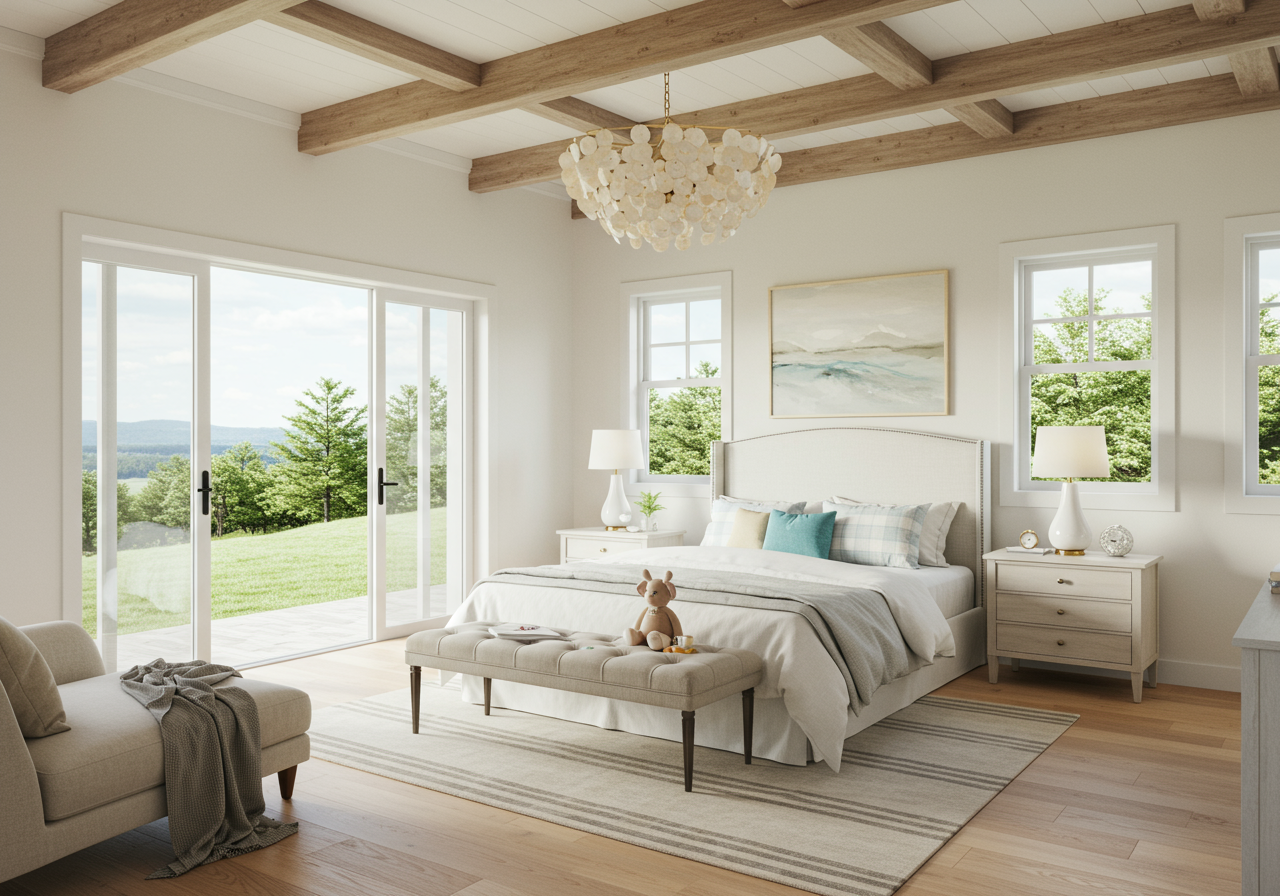
A large bedroom can feel strangely unfinished when all the furniture hugs the bed and leaves the rest of the room waiting for a purpose. That is why strong primary suite spaces need more than an extra chair near a window; they need a seating plan that feels earned, calm, and useful. For many U.S. homeowners, the primary bedroom has become part retreat, part quiet work zone, part evening reset spot, especially in homes where open floor plans leave few private corners. A smart seating zone gives that extra square footage a job without turning the room into a furniture showroom. The best ideas borrow from how people live, not from staged photos. A couple in a Dallas new build may need morning coffee chairs away from the bed. A homeowner in a Boston Colonial may need a compact reading corner beside dormer windows. Even small choices matter, from lamp height to rug size. Good planning sources, including home improvement publishing networks, often point to the same truth: comfort looks simple only after the layout does the heavy lifting.
Planning Primary Suite Spaces Around Real Daily Habits
The first mistake is treating the bedroom seating zone like leftover square footage. A larger suite does not need more furniture by default. It needs a clear reason for every piece, because an oversized bedroom can feel colder than a small one when the layout has no rhythm.
Decide What the Room Is Allowed to Do
A seating zone works better when it has one main purpose. Reading, morning coffee, dressing, private conversation, or winding down before sleep can all work, but they do not all belong in the same corner. When one small zone tries to serve five needs, it usually ends up holding laundry.
Start with the habit that already happens in your room. If you read in bed because there is nowhere else to sit, a chair and lamp may solve a real problem. If you check emails before the kids wake up, a small writing table near natural light may make more sense than a chaise.
A homeowner in a larger Phoenix primary bedroom might be tempted to place two club chairs near the patio doors because the space allows it. The smarter move is asking whether those doors bring harsh afternoon sun, glare, or traffic to the backyard. A lovely spot on paper can become the least used corner in the room.
Keep Pathways Calm and Obvious
The best suites feel peaceful because movement is easy. You should be able to walk from the bed to the bathroom, closet, windows, and seating zone without dodging chair legs or stepping around a rug corner. Calm rooms are often built by boring measurements.
Leave generous breathing room around the bed first. In many American homes, thirty inches can work for basic movement, while wider paths feel better in large rooms. The seating zone should never interrupt the route you take half-awake at night.
Counterintuitively, pushing seating into the biggest empty corner is not always right. Sometimes a smaller wall between two windows creates a stronger moment because the furniture feels framed. Space alone does not create comfort. Boundaries do.
Choosing Seating That Feels Intentional, Not Left Over
Once the room has a purpose, the furniture has to match that purpose without pretending the bedroom is a hotel lobby. Bedroom seating should feel softer and more personal than living room furniture, yet still sturdy enough for daily use. That balance separates a relaxing retreat from a decorative corner nobody touches.
Primary Bedroom Seating That Fits Your Routine
Primary bedroom seating should begin with posture, not style. A deep chair is pleasant for reading but awkward for putting on shoes. A bench at the foot of the bed helps with dressing but does not invite a long conversation. A chaise feels luxurious, but only if the room has enough width to let it breathe.
For a couple, two chairs with a small shared table often beat one large chaise. They create a natural place for coffee, a late-night talk, or a quiet break without one person claiming the entire setup. In a larger Atlanta suburban suite, this pairing can sit near tall windows and still leave the bed as the room’s anchor.
Scale matters more than people think. Oversized rolled arms can swallow a corner and make the room feel stuffed. Slimmer chairs with firm cushions often look better in bedrooms because they give comfort without crowding the floor. The eye reads open space as luxury.
Create a Bedroom Reading Nook Without Clutter
A bedroom reading nook needs three things: a comfortable seat, a focused light, and a surface within arm’s reach. Skip one, and the nook becomes decorative. Add too much, and it turns into a second living room competing with the bed.
Place the chair where the reader naturally wants to pause. Near a window works well, but only when glare and privacy cooperate. A shaded corner with a warm floor lamp can feel better than a bright window seat facing the neighbor’s driveway.
The secret is restraint. One chair, one table, one lamp, and one small textile can do the job. A bedroom reading nook should invite a person, not collect accessories. Books can live nearby, but stacks on every surface create mental noise before the first page is opened.
Using Layout, Rugs, and Lighting to Make the Zone Feel Built In
A seating area fails when it looks dropped into the room after everything else was finished. The bed, nightstands, dresser, windows, and seating zone need a shared visual language. That does not mean matching sets. It means the room should feel like one decision, not four separate shopping trips.
Suite Furniture Placement That Respects the Bed
Suite furniture placement starts with hierarchy. The bed remains the main event, so the seating zone should support it rather than fight it. Place chairs at an angle that lets them face each other, the view, or the fireplace without turning their backs awkwardly toward the bed.
In a larger primary suite with a fireplace, the easy answer is placing every seat toward the flames. That can work, but it can also split the room into two unrelated halves. A better setup may angle the chairs slightly so the fireplace, bed, and windows all stay in conversation.
Rugs help mark the zone without building a wall. In a large bedroom layout, a separate rug under two chairs can define the seating moment, while the bed keeps its own rug or broad floor frame. Matching rug colors is less important than matching mood, pile height, and visual weight.
Layer Lighting So the Corner Works After Sunset
Bedroom seating often looks great at noon and dies at night. Overhead lights flatten the room, and bedside lamps rarely reach a chair across the suite. A seating zone needs its own lighting plan or it will disappear after dinner.
Use a floor lamp for reading, a table lamp for softness, or a wall sconce when floor space is tight. The bulb temperature should stay warm enough for rest, usually closer to the cozy side than the bright kitchen side. Harsh white light makes a bedroom corner feel like a waiting room.
Lighting can also solve awkward architecture. A long wall in a newer Texas home may feel empty until a pair of sconces frames two chairs below it. The furniture then appears planned, even if the builder left the room as one large box. Light gives shape where drywall gives none.
Making the Seating Zone Feel Personal Without Making It Busy
Style should arrive after the layout works. A primary bedroom is private, so it can carry more personality than a living room designed for guests. The trick is choosing details that feel personal without adding clutter to the place where your mind is supposed to slow down.
Use Texture Before You Add More Decor
Texture gives a seating zone depth without demanding attention. Linen, boucle, leather, wool, cane, cotton, and wood all bring different moods. A room can stay quiet and still feel rich when the surfaces do the talking.
For example, a coastal California suite might pair a slipcovered chair with a woven side table and a soft wool rug. Nothing needs to shout. The mix feels relaxed because the textures carry the interest instead of relying on busy patterns or too many objects.
This is where restraint pays off. One throw blanket with weight, one cushion with structure, and one small object on the table can be enough. Primary bedroom seating should not feel staged for a catalog. It should feel like someone might sit down there tonight.
Let the View, Fireplace, or Architecture Lead
Every larger bedroom has some natural leader. It may be a window, fireplace, tray ceiling, bay wall, built-in shelves, or even a quiet stretch of morning light. The seating area gets stronger when it responds to that feature instead of ignoring it.
A bay window in a New Jersey primary suite can become a compact conversation zone with two small swivel chairs. A fireplace in a Colorado home may call for lower, heavier chairs that feel grounded in winter. A blank corner in a Florida new build might need a tall plant and curved chair to soften hard edges.
The unexpected lesson is that the best focal point is not always the most expensive feature. Sometimes the nicest spot is where morning light lands for twenty minutes. Build around that, and the room starts to feel lived in rather than arranged.
Keeping Comfort, Storage, and Long-Term Use in Balance
A seating zone should still work six months after the excitement fades. That means storage, cleaning, fabric choice, and daily habits matter as much as the first impression. Pretty furniture loses its charm fast when it traps dust, blocks drawers, or becomes a parking lot for clothes.
Choose Pieces That Age With Your Life
A large bedroom layout should leave room for life changes. A couple may need a quiet baby-feeding chair for a season, then later want a reading corner. Empty nesters may want a coffee spot. Remote workers may need a small desk that does not poison the room with office stress.
Flexible furniture helps. Swivel chairs can face the view or turn toward conversation. A small round table works better than a bulky square one in tight paths. A bench with hidden storage can hold extra bedding without making the room feel like a closet.
Fabric choice deserves honesty. White upholstery may look beautiful, but pets, kids, makeup, and coffee do not care about your mood board. Performance fabric, washable covers, or darker textured materials often make more sense in American homes where bedrooms do real work every day.
Add Storage Without Turning the Suite Into a Closet
Storage near seating should be subtle. A side table with a drawer can hide chargers, reading glasses, lip balm, and small notebooks. A storage ottoman can hold blankets. Built-ins can look elegant, but only when they leave enough negative space.
Suite furniture placement can make storage feel natural rather than crowded. A low cabinet behind two chairs may create a quiet library wall. A narrow console along a blank wall can hold a lamp and a tray without stealing room from the walking path.
Avoid the trap of adding baskets everywhere. Baskets can help, but too many make the room feel like it is apologizing for clutter. A bedroom should not need five containers to stay peaceful. It needs fewer loose items and better decisions.
Conclusion
A larger bedroom is a gift, but only when the extra space supports the way you live. The smartest rooms do not chase every design trend or fill every corner with furniture. They create a private pause inside the home, one that feels useful on a normal Tuesday night and still beautiful on a slow Sunday morning. That is the real test. Strong sitting area ideas work because they respect movement, light, scale, and habit at the same time. They make space feel intentional without making it stiff. Before buying another chair, stand in the room and watch how you already move through it. Notice the light. Notice the dead corners. Notice where you keep wishing you had a place to sit. Then choose one purpose and design around that. Start with the chair, lamp, table, and pathway that solve your actual problem. A primary suite becomes memorable when every quiet corner finally knows what it is there to do.
Frequently Asked Questions
How do I arrange seating in a large primary bedroom?
Start by keeping the bed as the main anchor, then place seating where it supports a real habit such as reading, coffee, or conversation. Leave clear walking paths to the closet, bathroom, and windows so the room feels calm instead of crowded.
What furniture works best for primary bedroom seating?
Chairs, benches, chaises, and small settees can all work, but the best choice depends on use. Pick chairs for conversation, a chaise for lounging, a bench for dressing, and a compact settee when you want comfort without filling the room.
How much space do I need for a bedroom reading nook?
You can create one with enough room for a chair, small table, and lamp. The chair should not block drawers, doors, or walking paths. Natural light helps during the day, but a dedicated reading lamp matters more at night.
Should a sitting zone match the bedroom furniture?
It should coordinate, not match perfectly. Repeating wood tones, fabric warmth, metal finishes, or color families creates connection. Matching every piece can make the room feel flat, while careful contrast gives the suite a more collected and personal feel.
Where should a chaise go in a primary bedroom?
A chaise works best near a window, fireplace, or quiet wall where it has room on at least one side. Avoid placing it where it blocks the bed path or closet access. It should feel like a retreat, not an obstacle.
How can I make a large bedroom layout feel cozy?
Define smaller zones with rugs, lamps, and furniture groupings instead of spreading pieces around the walls. Warm lighting, layered textiles, and clear seating purpose help large rooms feel intimate without adding clutter or shrinking the walking space.
What is the best rug size for a bedroom seating corner?
Choose a rug large enough for at least the front legs of the chairs and table to sit on it. A tiny rug looks accidental. The seating rug should define the zone while still feeling connected to the rest of the bedroom.
How do I keep a bedroom sitting area from collecting clutter?
Give the zone a clear purpose and limit surfaces. Use one side table with storage, a tray for small items, and a basket only if it solves a real need. When the corner has too many jobs, clutter moves in fast.